

In addition to truthfulness, industry and honorability, other virtues attributed to Abraham Lincoln in children’s literature include perseverance, temperance, kindness, bravery, patience, wisdom and fairness. To describe how a poor boy with little formal education rose to become a revered U.S. president, many books emphasize how these traits defined Lincoln’s character, even in childhood. Crediting Lincoln’s achievements to “certain qualities of the mind and heart,” William M. Thayer’s The pioneer boy, and how he became president (item 6) memorably asserts “the man is what the boy was” and, in a narrative that predates his 1865 assassination, primarily details Lincoln’s early, formative years. Other titles similarly focus on Lincoln’s boyhood rather than his adult life, tracing his maturation through relatable vignettes that encourage young readers to identify and empathize with him. In these texts, seminal moments from Lincoln’s boyhood and adolescence include the tragic death of his mother, days spent laboring to maintain the Lincoln family homestead, his first day of school and commitment to getting an education, as well as a summer spent traveling the Mississippi River on a flatboat. A portrait of relentless fortitude in the face of hardship and struggle, Lincoln emerges as an inspiring figure worthy of imitation and a testament to the enduring power of a noble spirit.
Table of contents:
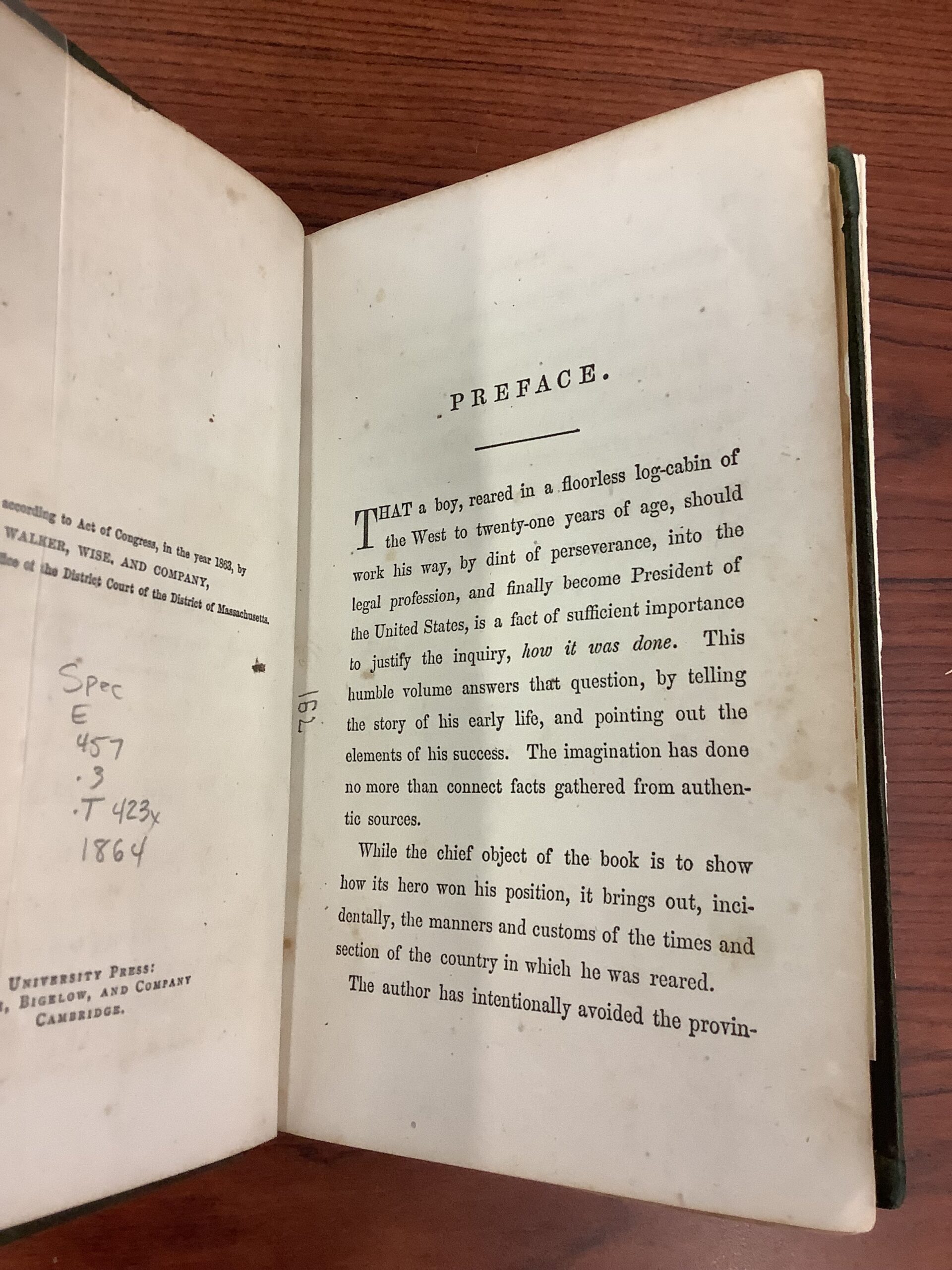
- Thayer, William M. The pioneer boy, and how he became president. Boston: Walker, Wise and Co., 1864.
- Gross, Ruth Belov. True stories about Abraham Lincoln. New York: Scholastic Book Services, 1973.
- Moores, Charles W. (Charles Washington). The life of Abraham Lincoln for boys and girls. Boston, New York: Houghton Mifflin Company, 1909.
- Eifert, Virginia S. (Virginia Snider). Out of the wilderness; young Abe Lincoln grows up. New York: Dodd, Mead, 1956.
- Wheeler, Daniel Edwin. Abraham Lincoln. New York: Macmillan, 1921.
- Butterworth, Hezekiah. In the boyhood of Lincoln: a tale of the Tunker schoolmaster and the times of Black Hawk. New York: D. Appleton and Co., 1902.
- Waldman, Neil. Voyages: reminiscences of young Abe Lincoln. Honesdale, Pa.: Calkins Creek, 2009.
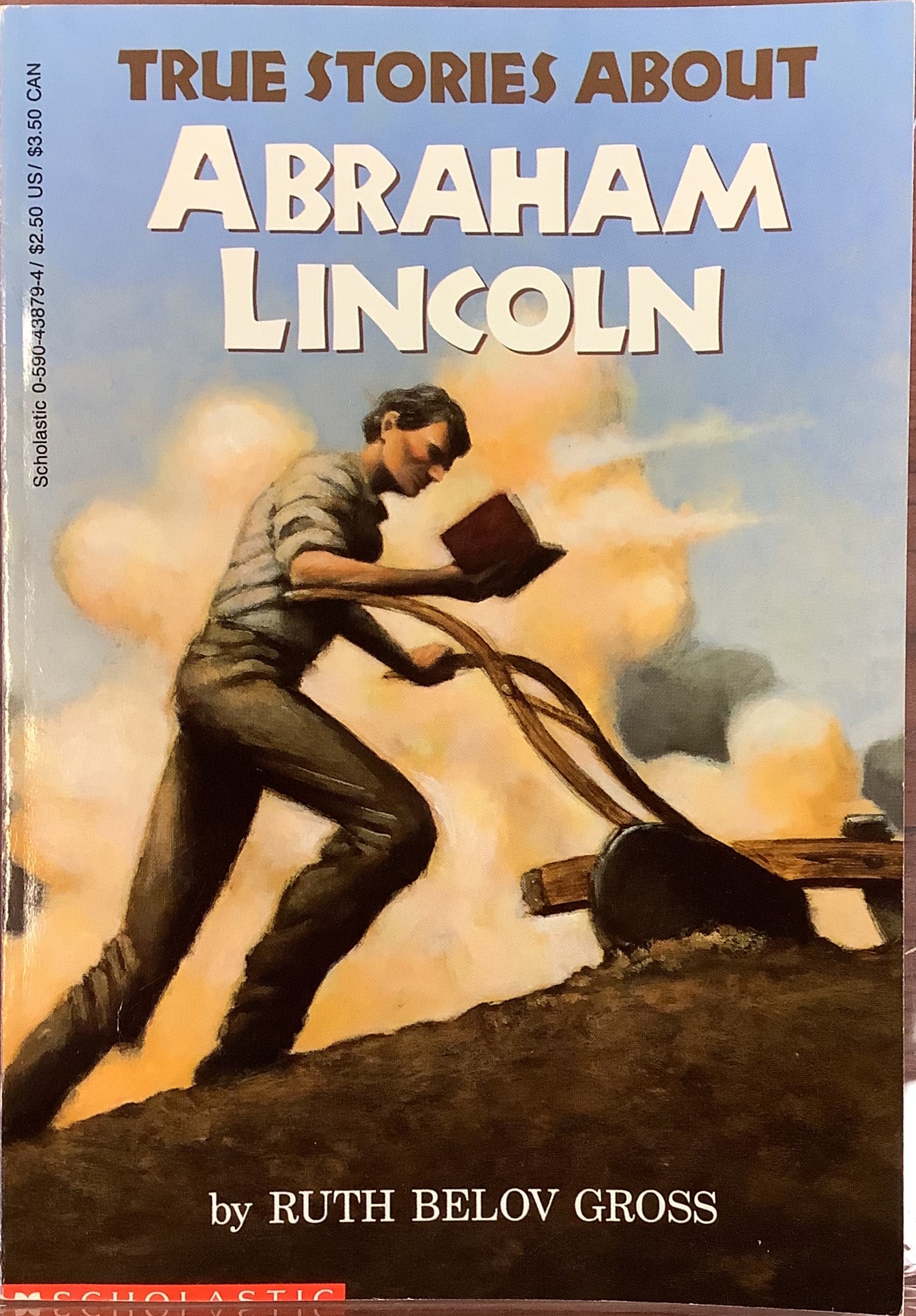
On its cover, True Stories about Abraham Lincoln depicts as many of Lincoln's virtues as it can muster: his hard work as a pioneer on the American frontier, his inquisitive mind, and even his quaint, yet heroic stature.
Author William M. Thayer introduces the perseverance of Lincoln in the preface of his 1864 work to show the importance of understanding the full story of Lincoln's rise:
"That a boy, reared in a floorless log-cabin of the West to twenty-one years of age, should work his way, by dint of perseverance, into the legal profession, and finally become President of the United States, is a fact of sufficient importance to justify the inquiry, how it was done."
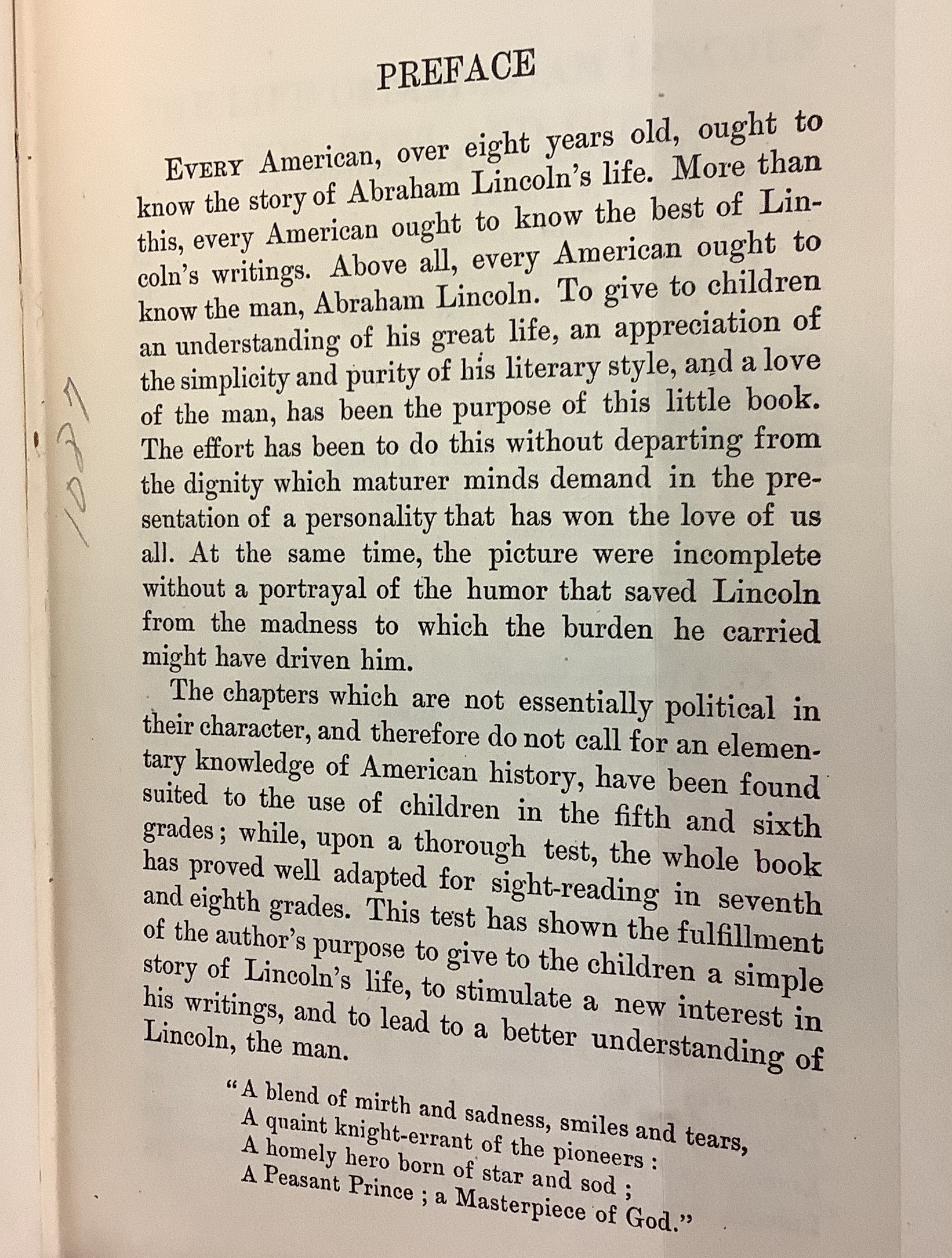
In his preface to The life of Abraham Lincoln for boys and girls, author Charles W. Moores uses poetry to inspire children's interest in Lincoln's life as a story to learn from:
"A blend of mirth and sadness, smiles and tears,
A quaint knight-errant of the pioneers:
A homely hero born of star and sod;
A Peasant Prince; a Masterpiece of God."
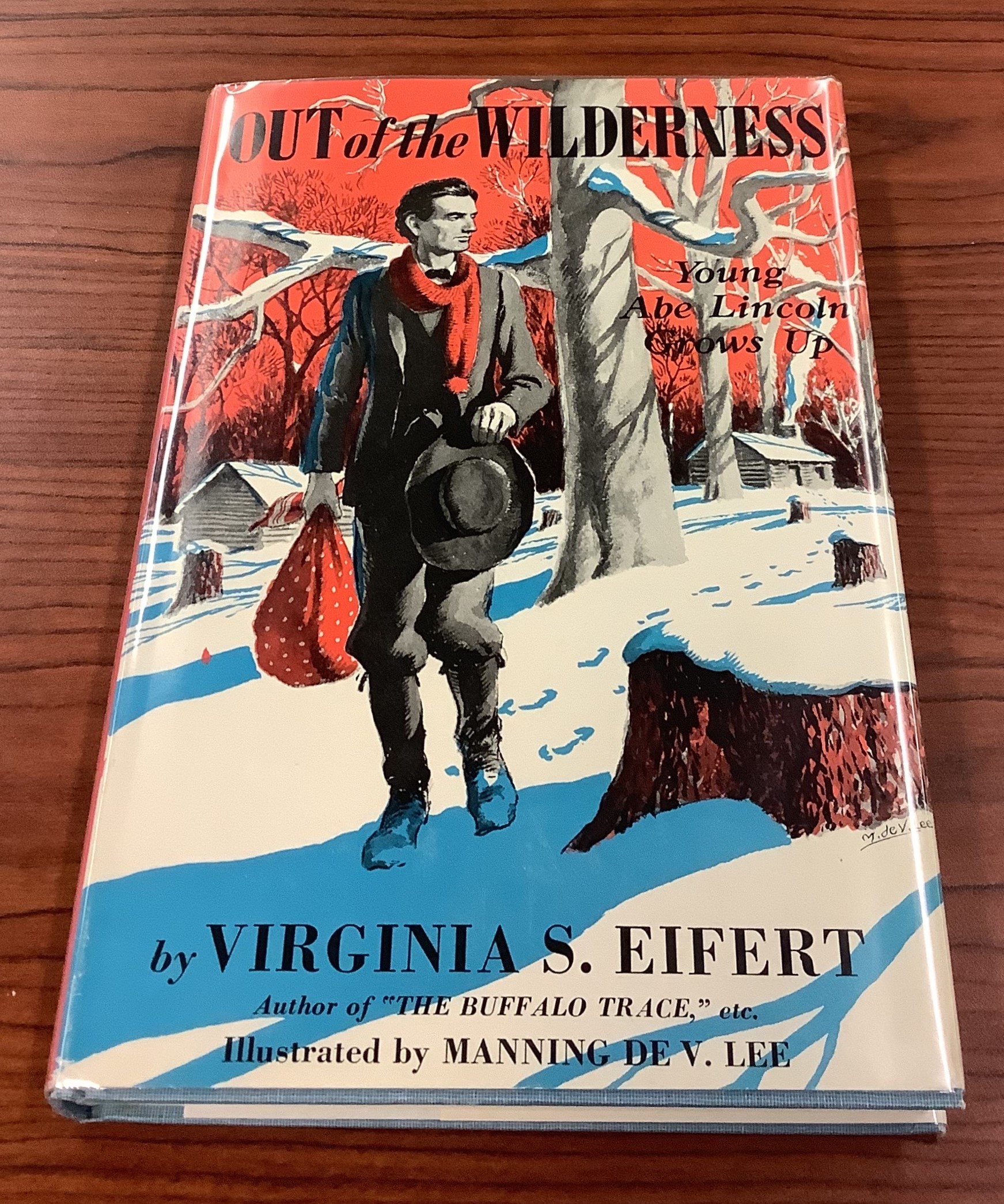
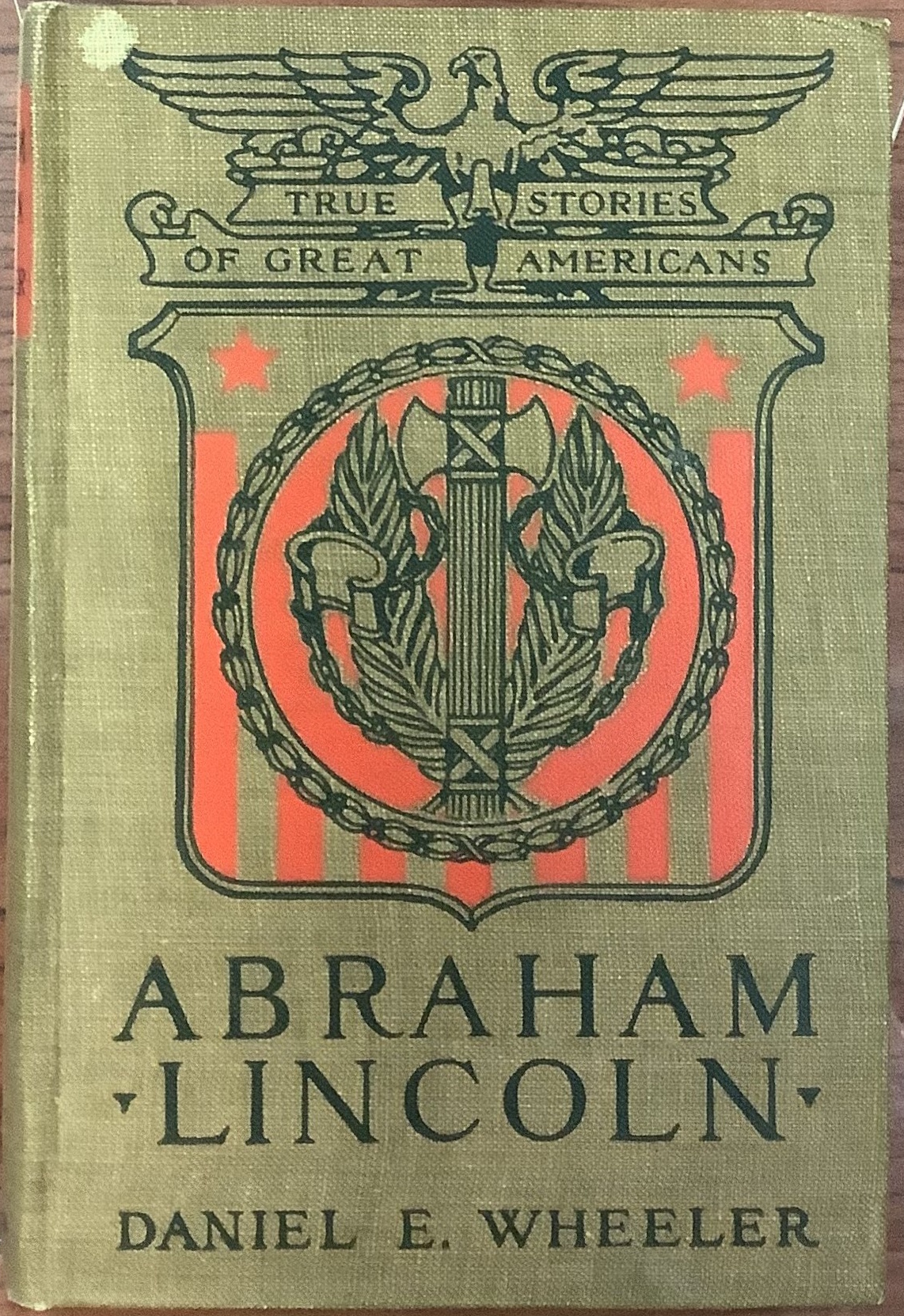
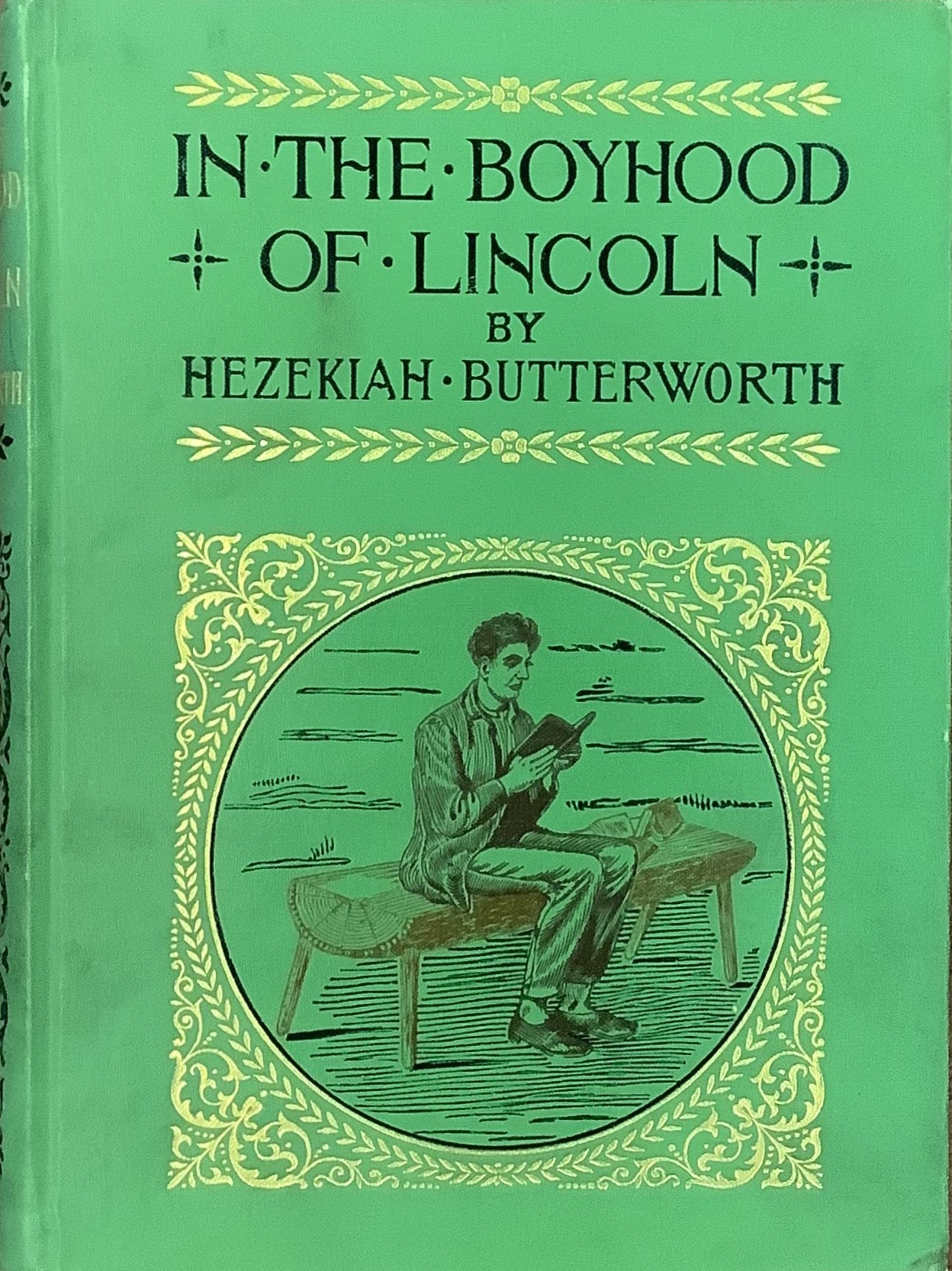
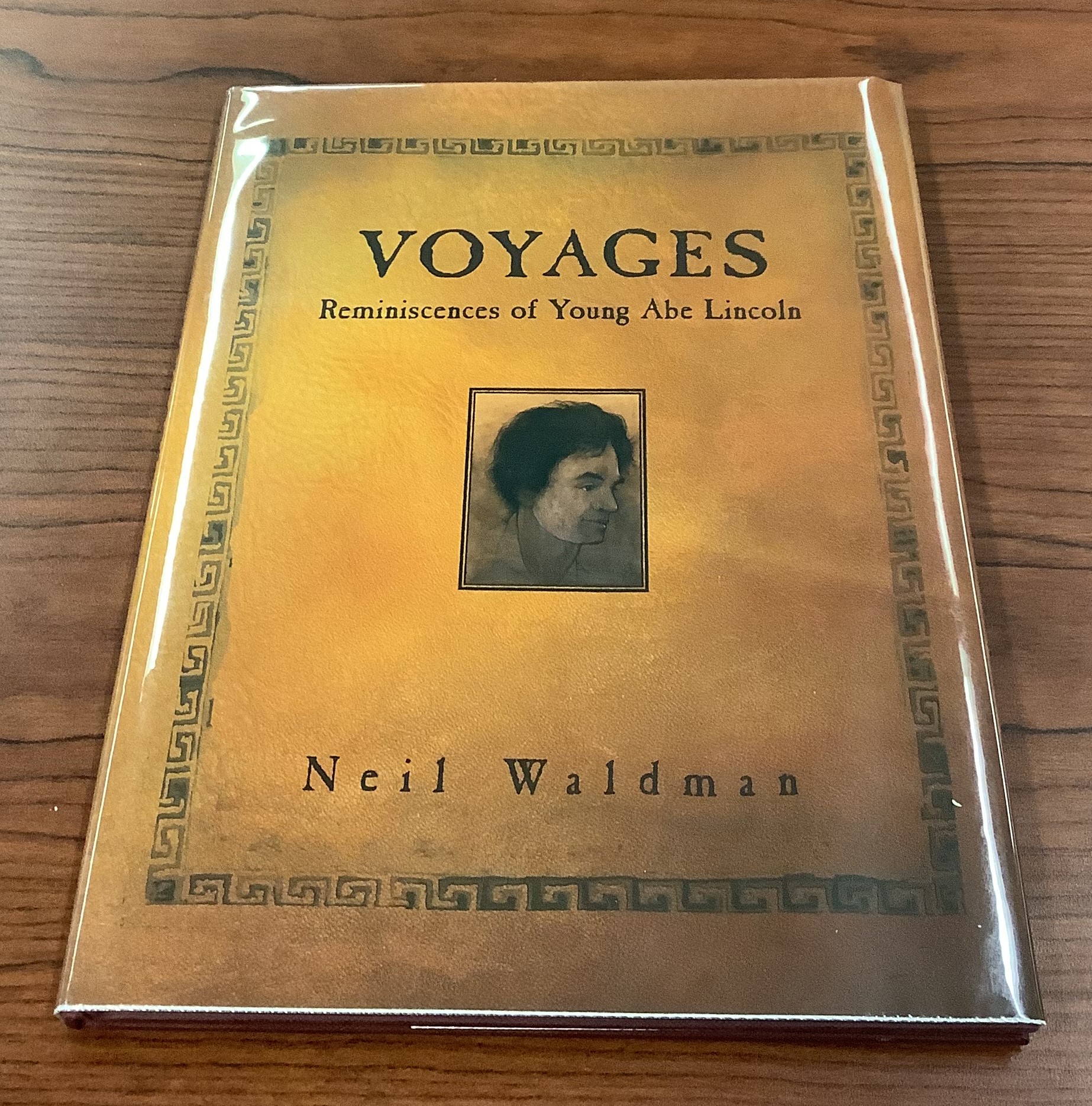
Starting with their covers, all four of these works show Abraham Lincoln's origins as a pioneer emerging from the wilderness: vibrant art of his woodland home, earthy greens and handmade furniture, all painting the same picture of the adventures of a folk hero and master of the frontier and country politics alike.