

Of all the depictions of Abraham Lincoln in juvenile literature, the image of a young Abe Lincoln settled on a dirt floor reading by the fire is among the most popular and perhaps the best portrait of Lincoln the quintessential pioneer. The four variations displayed here vividly evoke Lincoln’s devotion to books and learning, a dedication to self-betterment recounted extensively in Mary Marget MacEachen’s Child’s life of Abraham Lincoln (item 18). In these illustrations, all the aspirational threads of Lincoln’s story come together: the simple, hardscrabble existence on the frontier, the discipline and determination to raise himself up and the ability to flourish despite the difficulties he faced. These are the recurring themes of Lincoln’s life that endure in children’s biographies across generations and create a timeless portrait of a singular American character with the ability to captivate and inspire readers of all ages.
Table of contents:
- MacEachen, Mary Marget. Child’s life of Abraham Lincoln. Wheeling, West Virginia: Catholic Book Co., 1917.
- Putnam, Harriet. The life of Abraham Lincoln for young people: told in words of one syllable. New York: McLoughlin Bros., 1905.
- Cavanah, Frances, author; Hutchinson, Paula A., illustrator. Abe Lincoln gets his chance. Chicago: Rand McNally, 1959.
- Ostendorf, Lloyd. Abraham Lincoln: the boy, the man. Springfield, Illinois: D.E.A.F., Inc., 1983.
- D’Aulaire Ingri and D’Aulaire Edgar Parin. Abraham Lincoln. Garden City, New York: Doubleday, 1987.
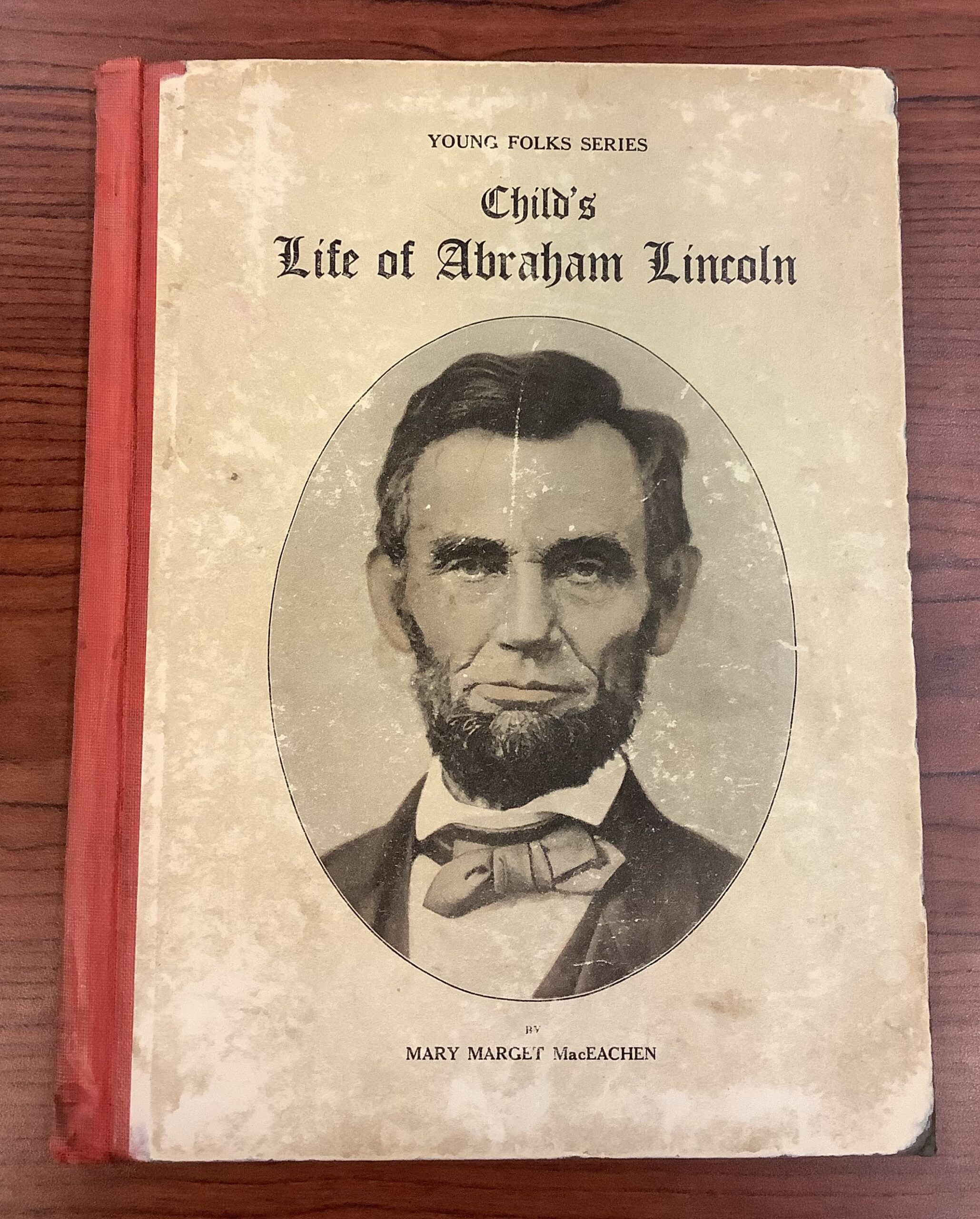
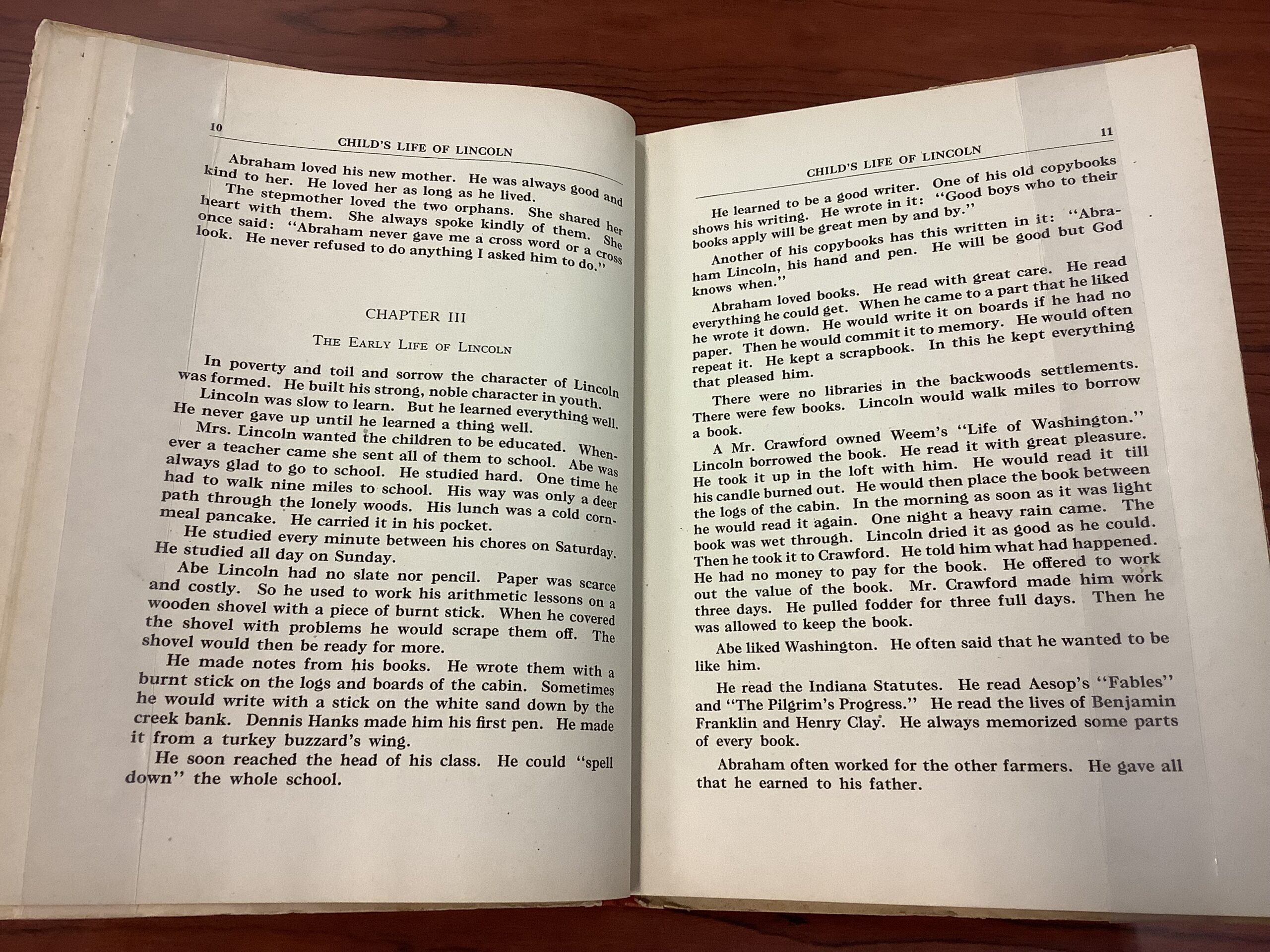
Early on in Child’s life of Abraham Lincoln, author Mary Marget MacEachen puts a spotlight on Lincoln's love for the book Life of Washington by Mason Locke Weems (item 1), as well as his discipline and honesty:
"A Mr. Crawford owned Weem's "Life of Washington." Lincoln borrowed the book. He read it with great pleasure. He took it up to the loft with him. He would read it until his candle burned out. He would then place the book between the logs of the cabin. In the morning as soon as it was light he would read it again. One night a heavy rain came. The book was wet through. Lincoln dried it as good as he could. Then he took it to Crawford. He told him what had happened. He had no money to pay for the book. He offered to work out the value of the book. Mr. Crawford made him work three days. He pulled fodder for three full days. Then he was allowed to keep the book."
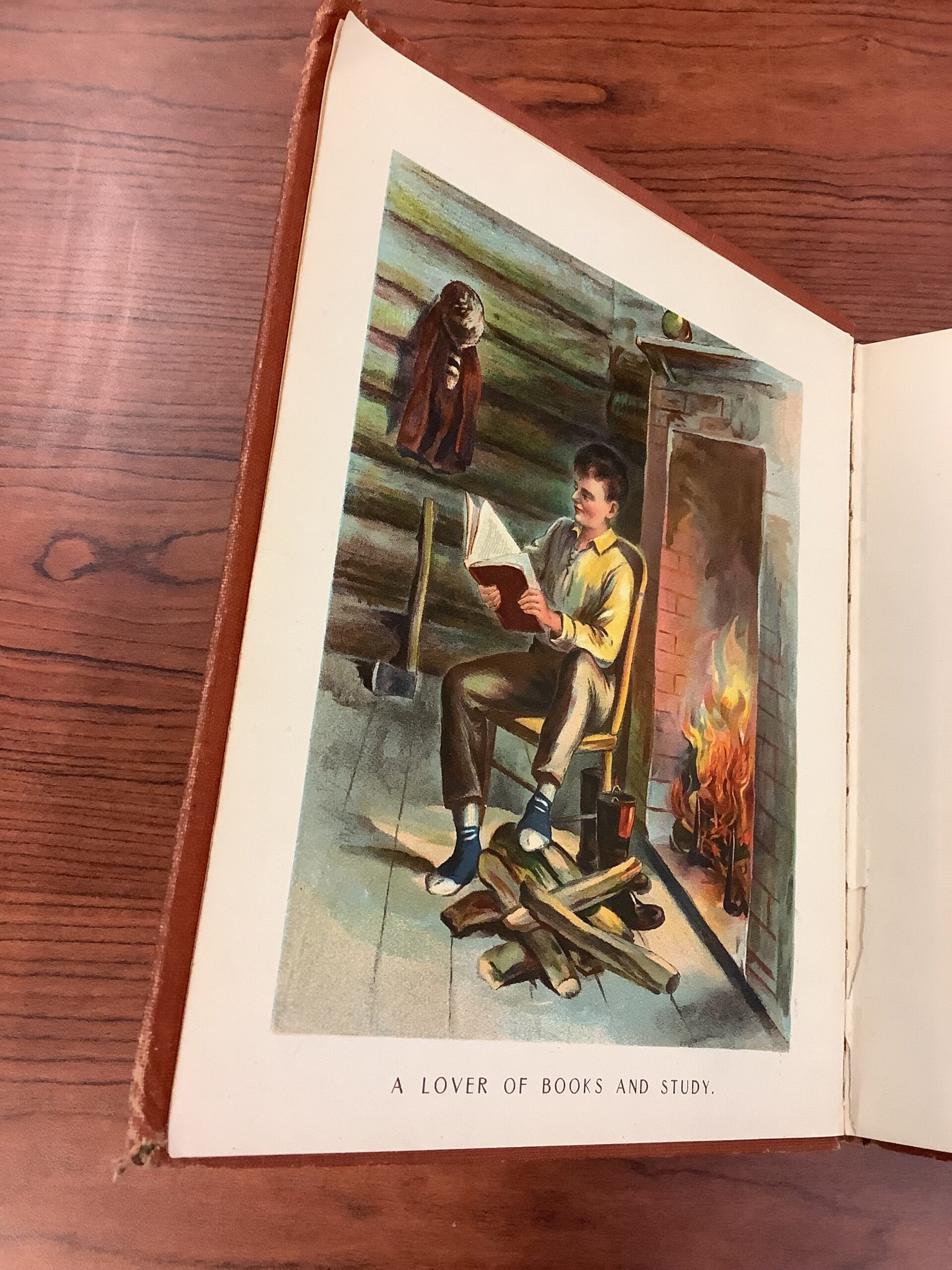
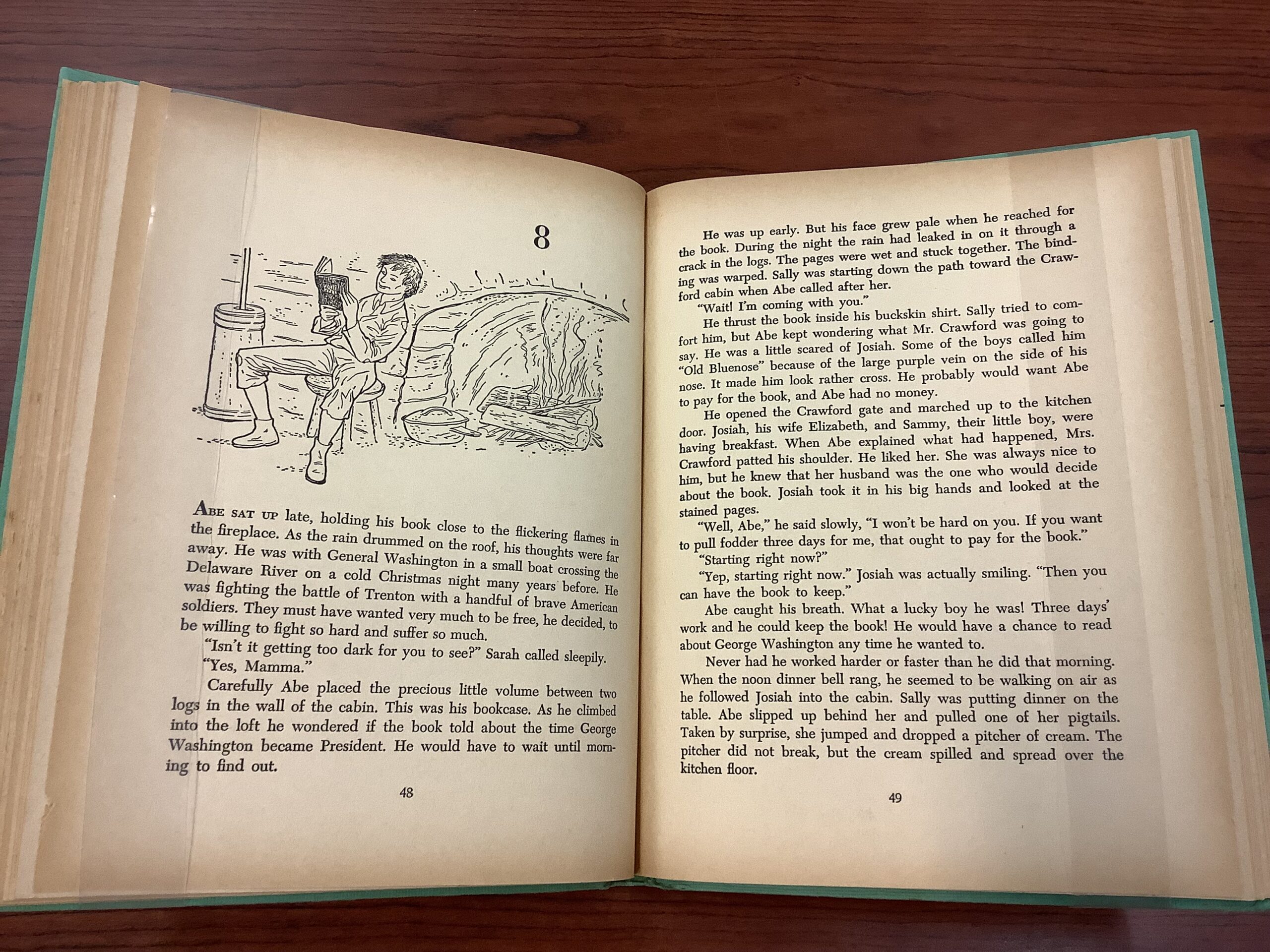
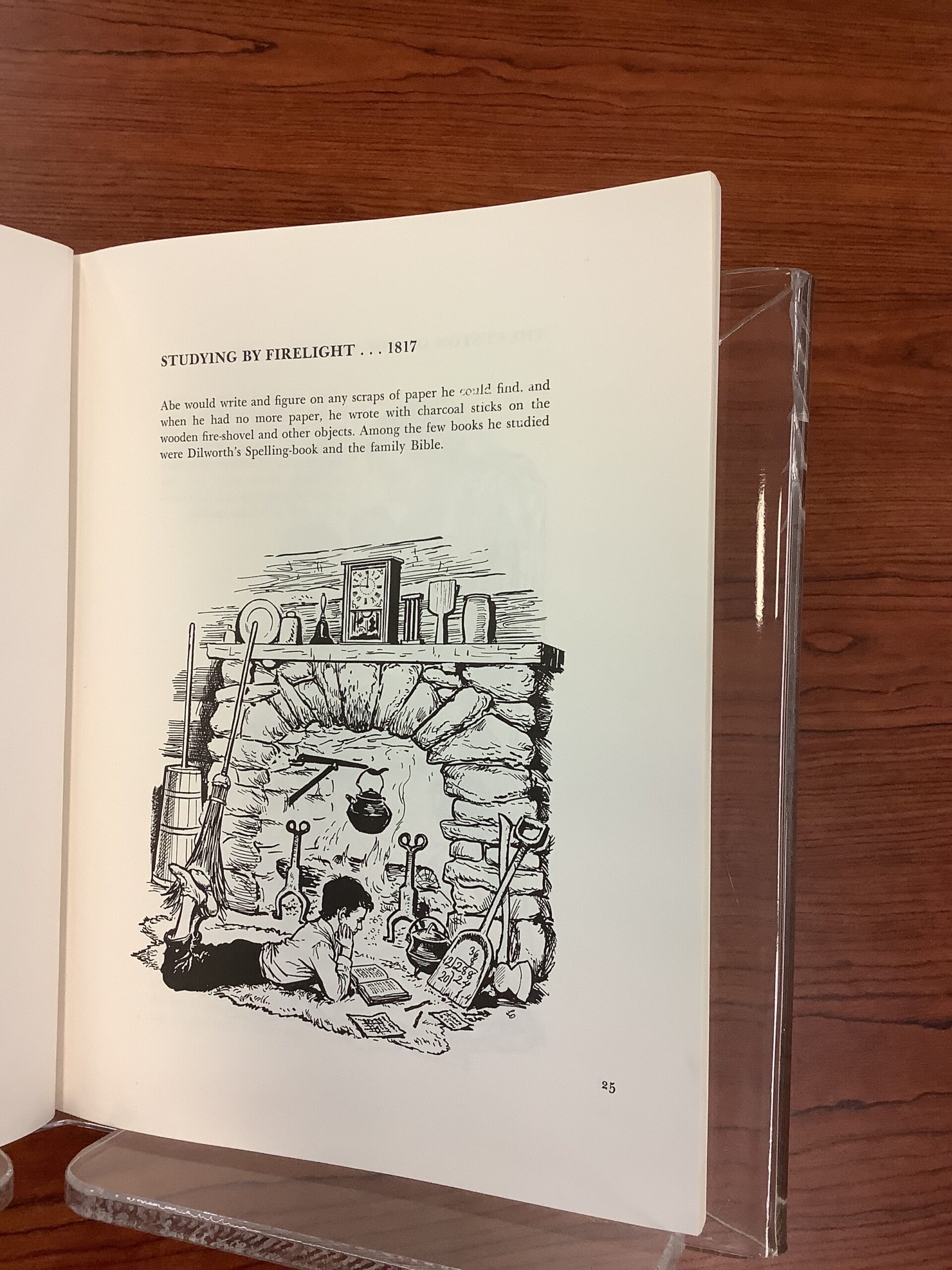
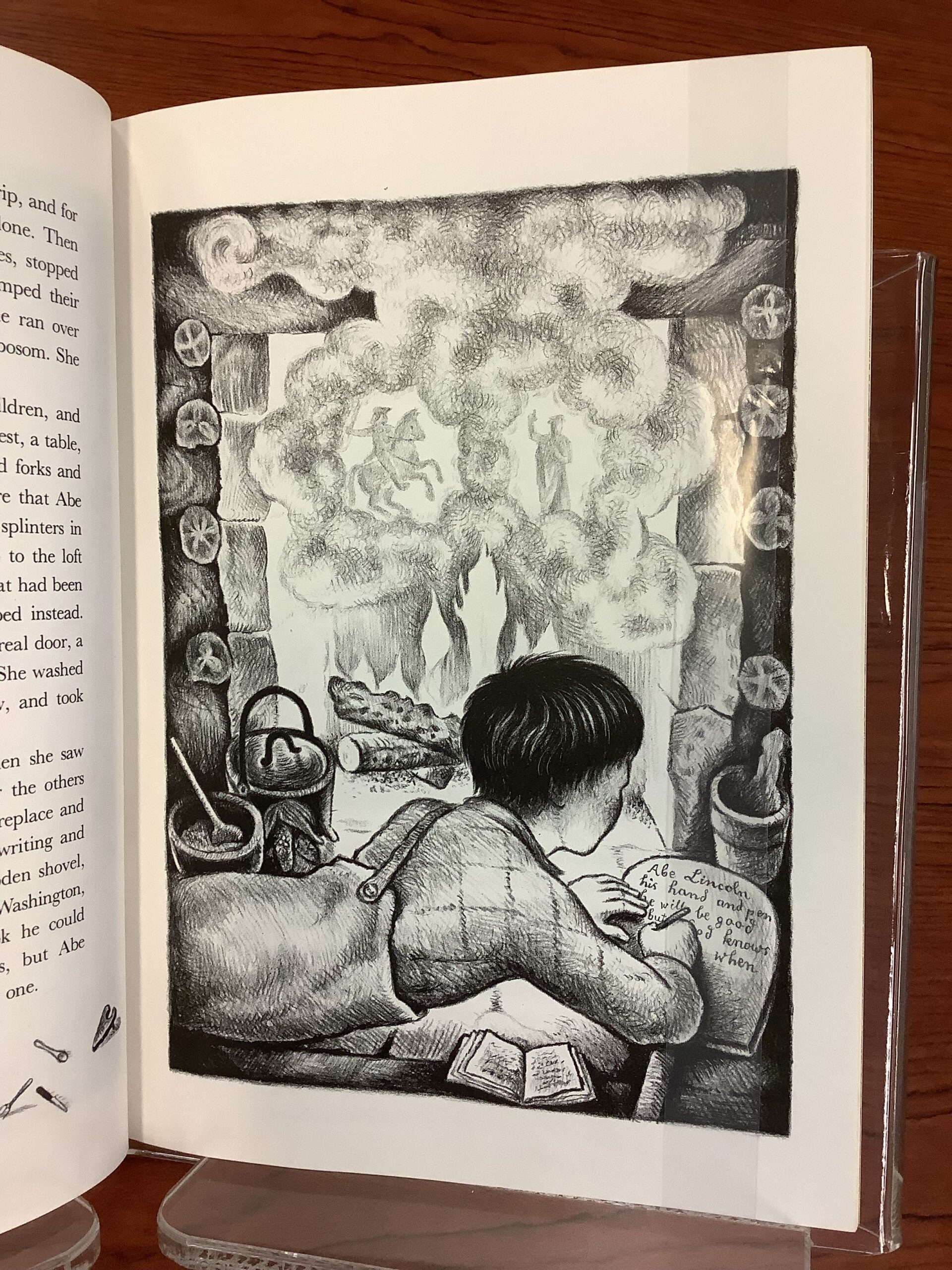
Young Lincoln is consistently depicted reading by firelight until there is no light left to read by, determined to learn how to be a man like Washington, not knowing that the boy he was has already made him so. Paired with the captivating fireside illustration in Abe Lincoln gets his chance (item 20), author Frances Cavanah describes the scene we see time and time again, tying in young Lincoln's aspirations:
"Abe sat up late, holding his book close to the flickering flames in the fireplace. As the rain drummed on the roof, his thoughts were far away. He was with General Washington in a small boat crossing the Delaware River on a cold Christmas night many years before. He was fighting the battle of Trenton with a handful of brave American soldiers. They must have wanted very much to be free, he decided, to be willing to fight so hard and suffer so much.'
'Isn't it getting too dark for you to see?' [his sister] called sleepily."
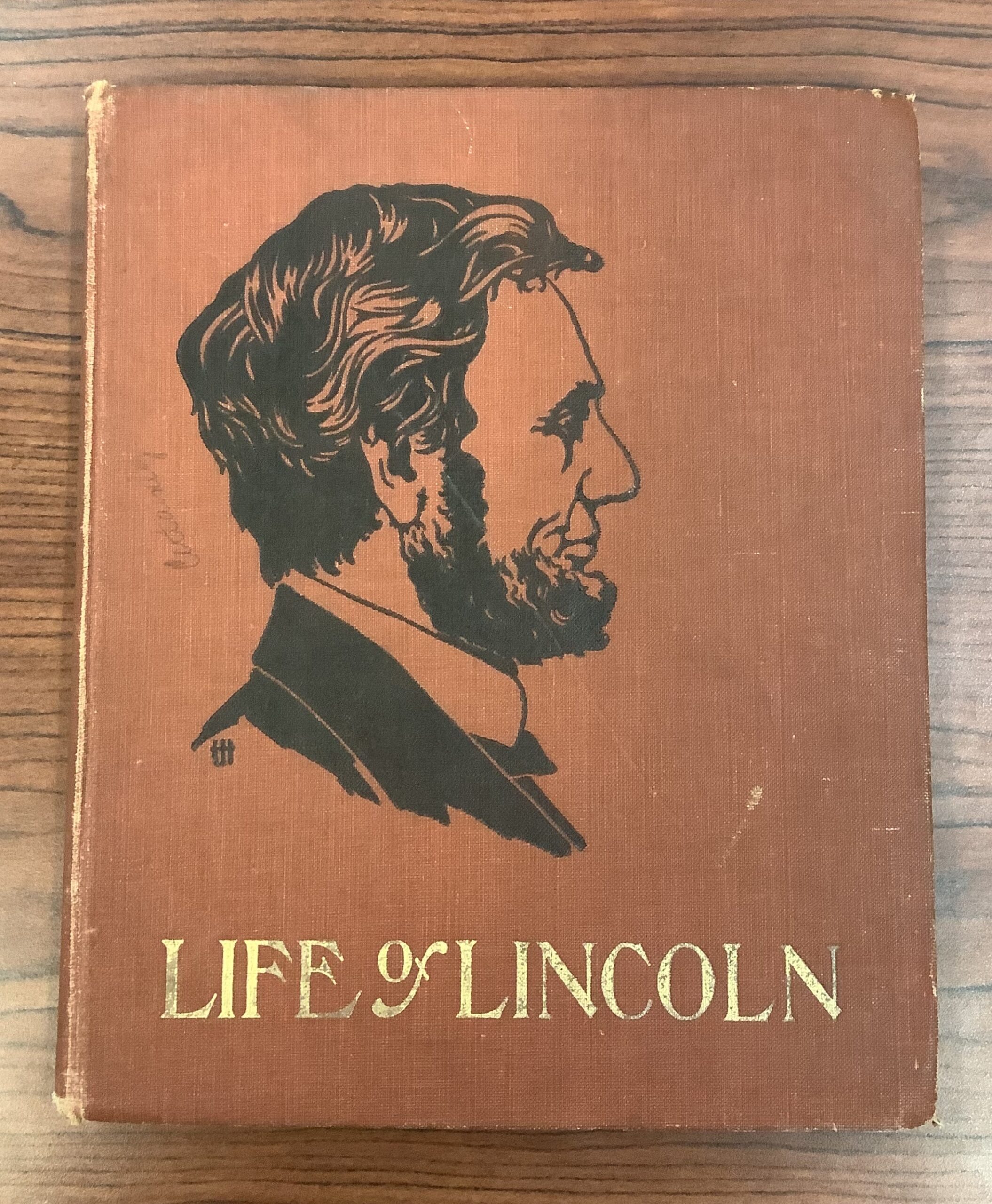
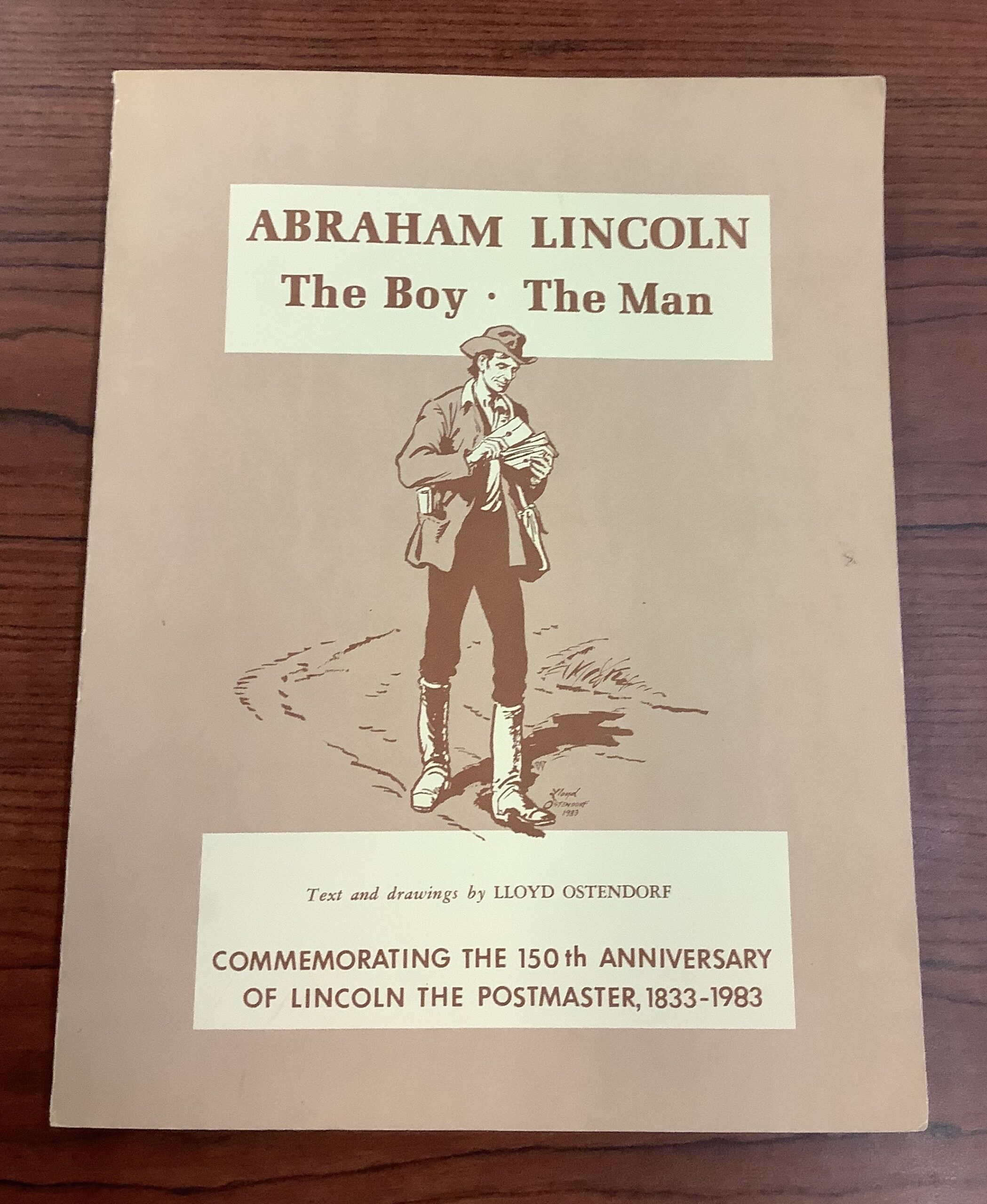
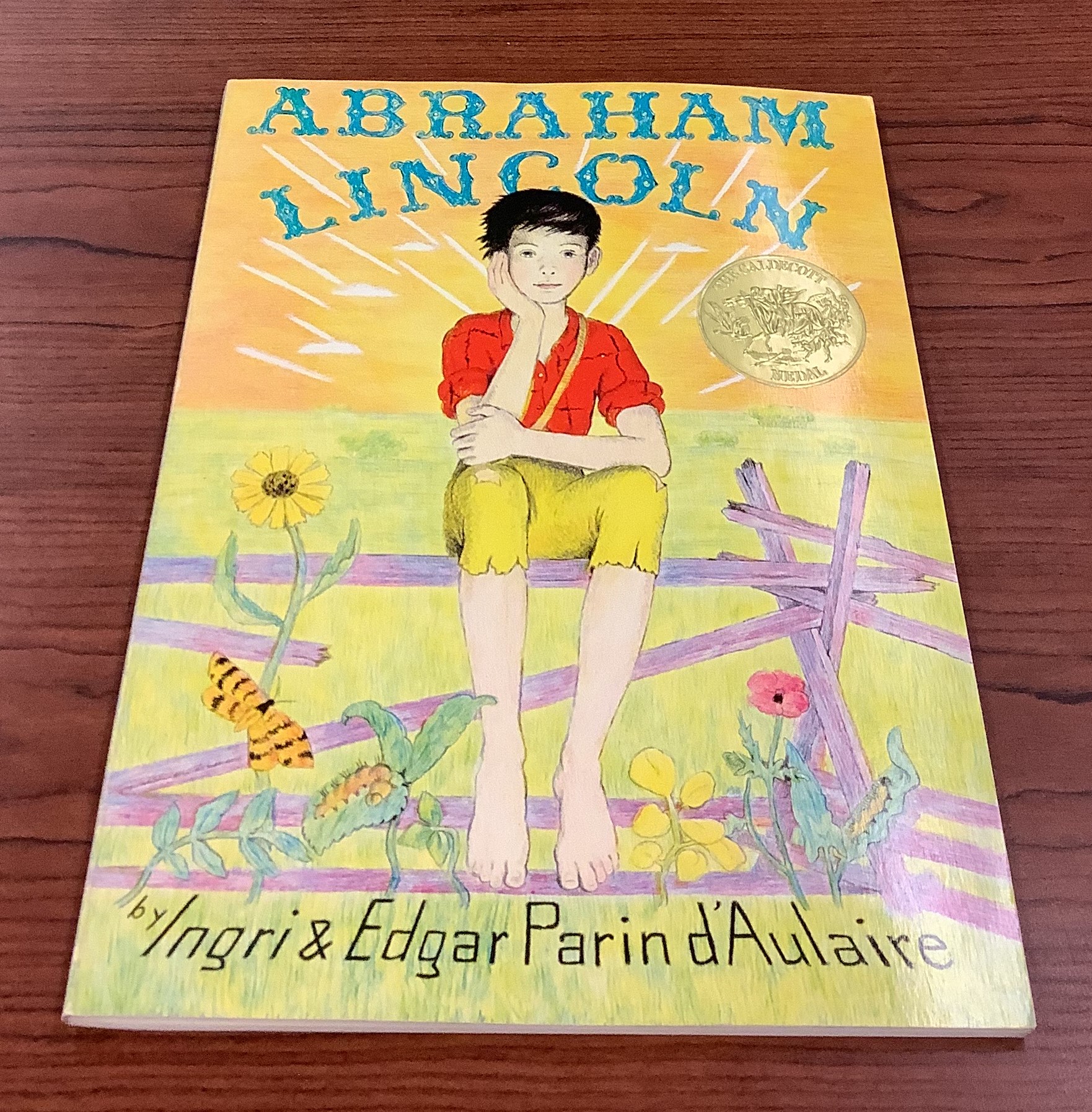
Authors have been taken with Abraham Lincoln's life since he entered the American political scene, revisiting the tropes that made Lincoln into a mythic American figure time and again: The boy, innocent yet courageous, born on the frontier, with naught but a handmade coonskin cap to keep his head warm throughout the cold winter. The young man, devoted, disciplined, determined - all the things that any young man should aspire to be. The President, a great man if there ever was one, who stopped at nothing to better the lives of all the people he loved - most especially the American people.