
From signed books to concert merchandise, people collect and preserve objects associated with authors, artists, athletes, and other celebrities they admire. Some of the items on this page represent friendships between creatives, while others were saved by fans of particular luminaries.
William Morris’s Pen and Paintbrush, before 1897
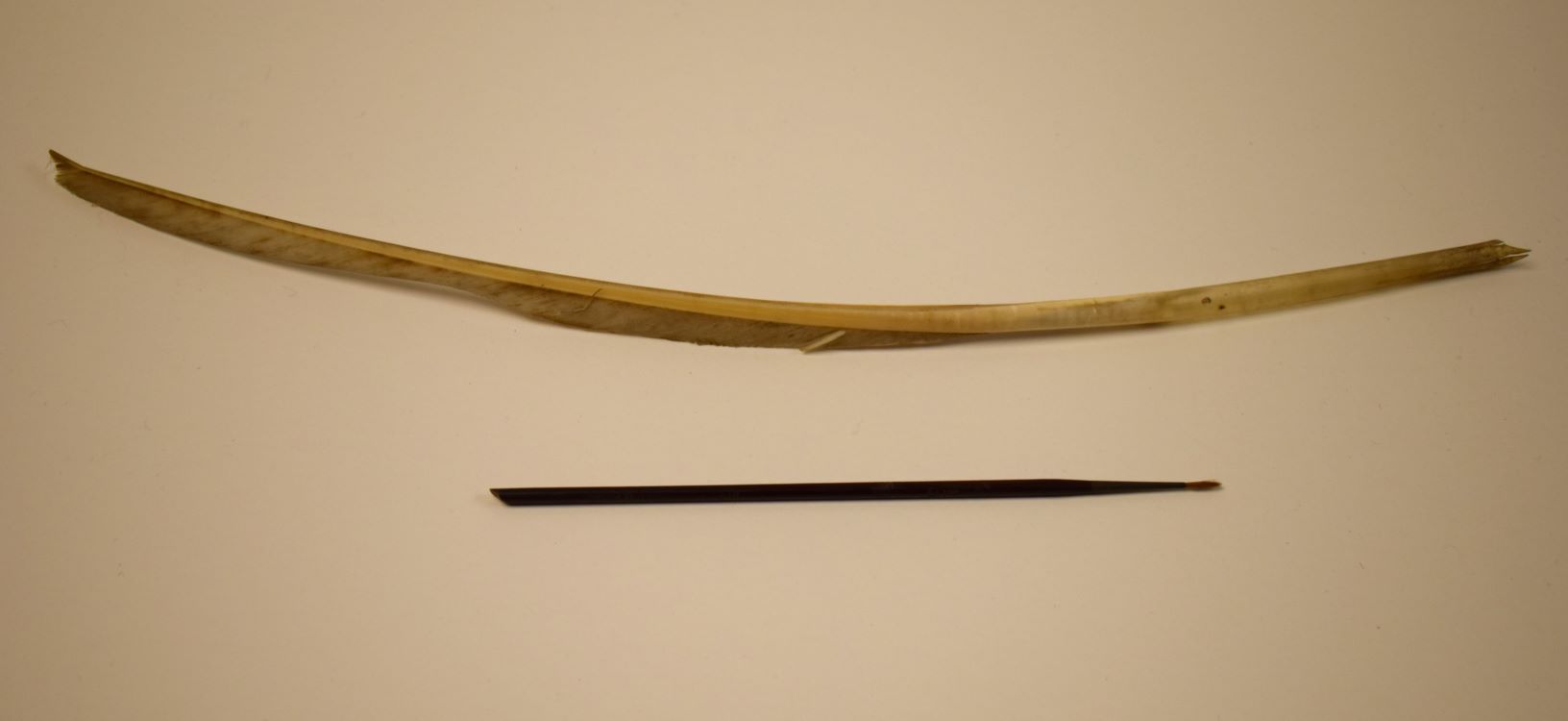
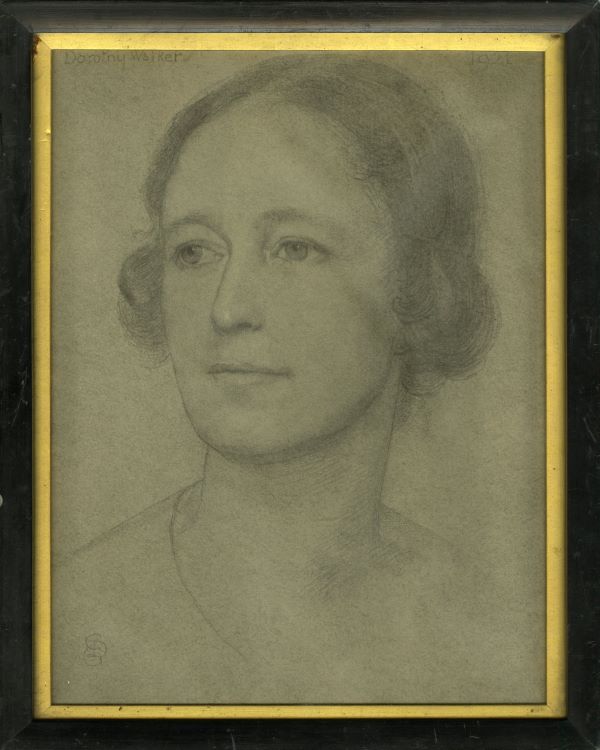
There is a long tradition of an object transferring over time from one creative figure to another as a token of esteem and connection. Such is the case with this quill pen and brush, used by the designer, writer, and socialist William Morris (1834–1896), known for his textiles, wallpapers, and the fine books printed at the Kelmscott Press. These relics belonged to Morris’s close friend and associate, the expert on printing and typography Emery Walker (1851-1933). Walker’s daughter Dorothy, herself an artist who had grown up knowing Morris and his circle, attached a label reading “William Morris’s pen” when she gave them, in turn, to Loyd Haberly (1896-1981), then a young American studying at Oxford and an ardent fan of Morris’s work. Haberly was then already a maker of books inspired by Kelmscott and went on to become a renowned printer, poet, and wood engraver.

Algernon Swinburne’s Napkin Ring, circa 1880–1900
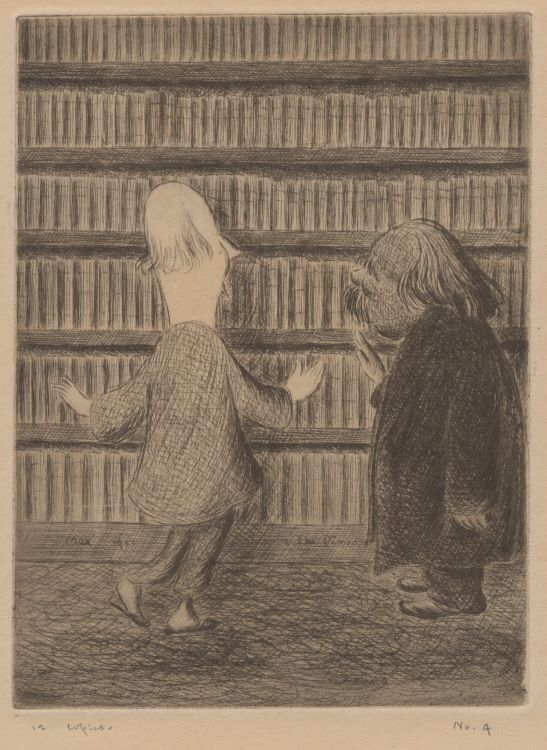
Famous, if not infamous, for the sexual and radical themes of his verse, the poet Algernon Swinburne (1837–1909) was “rescued” from alcoholism by his friend and lawyer, the writer Theodore Watts-Dunton (1832-1914). In September 1879, Swinburne moved into Watts-Dunton’s villa, The Pines, in the London suburb of Putney, where he lived out a quiet life and continued to write, becoming an object of pilgrimage for younger authors such as Max Beerbohm (1872-1956). Beerbohm recorded his lunches with Swinburne in a 1914 essay, “No. 2 The Pines,” and created several caricatures of Swinburne and his keeper, including this rare original etching from 1921.
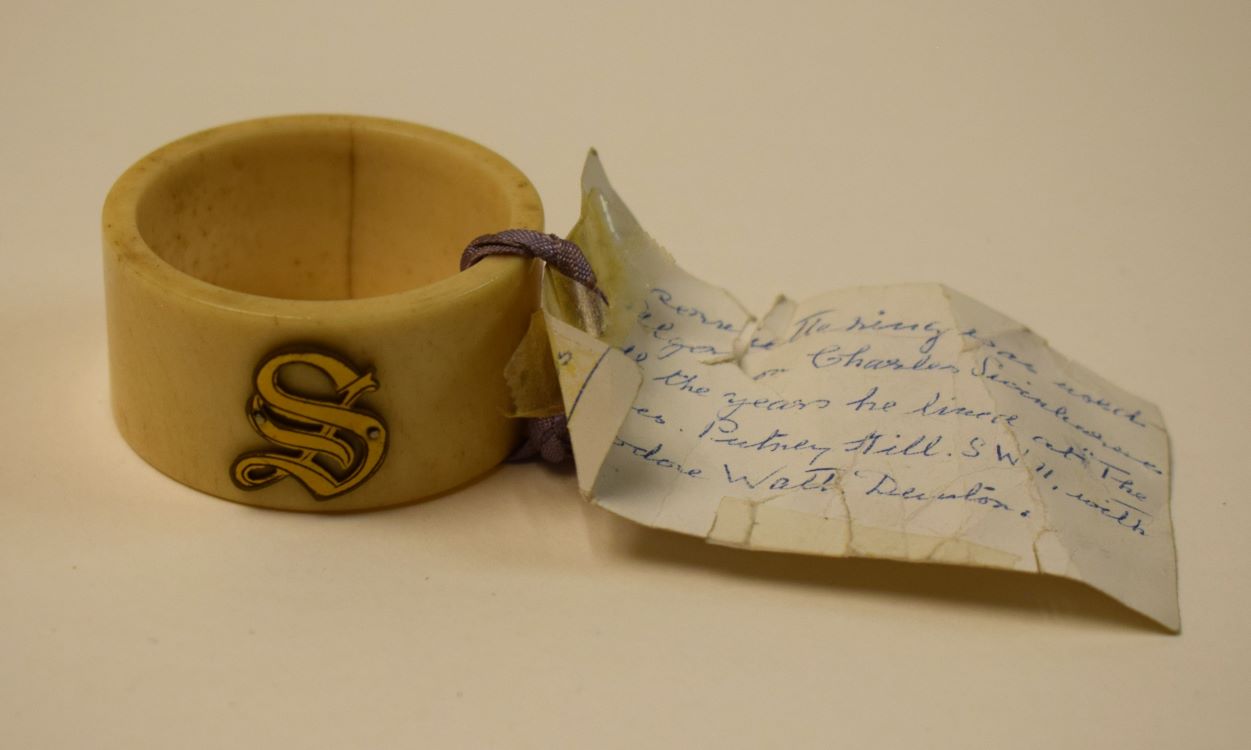
The napkin ring on display is also a memento of Swinburne’s time at The Pines, with an autograph note by Watts-Dunton’s nephew Herbert Mason that reads: “This serviette ring was used by Algernon Charles Swinburne all the years he lived in The Pines, Putney Hill, SW11 with Theodore Watts-Dunton. It was given to me after his death by my Aunt Theresa. Given to Sonia Price Hawkins.” One can imagine Watts-Dunton’s sister, Theresa, snatching this napkin ring from the poet’s place in the dining room to pass onto Herbert before it fell into the hands of Watts-Dunton’s widow, the decades-younger Clara.
Souvenir Scroll for Ellen Terry Commemoration Banquet, 1906
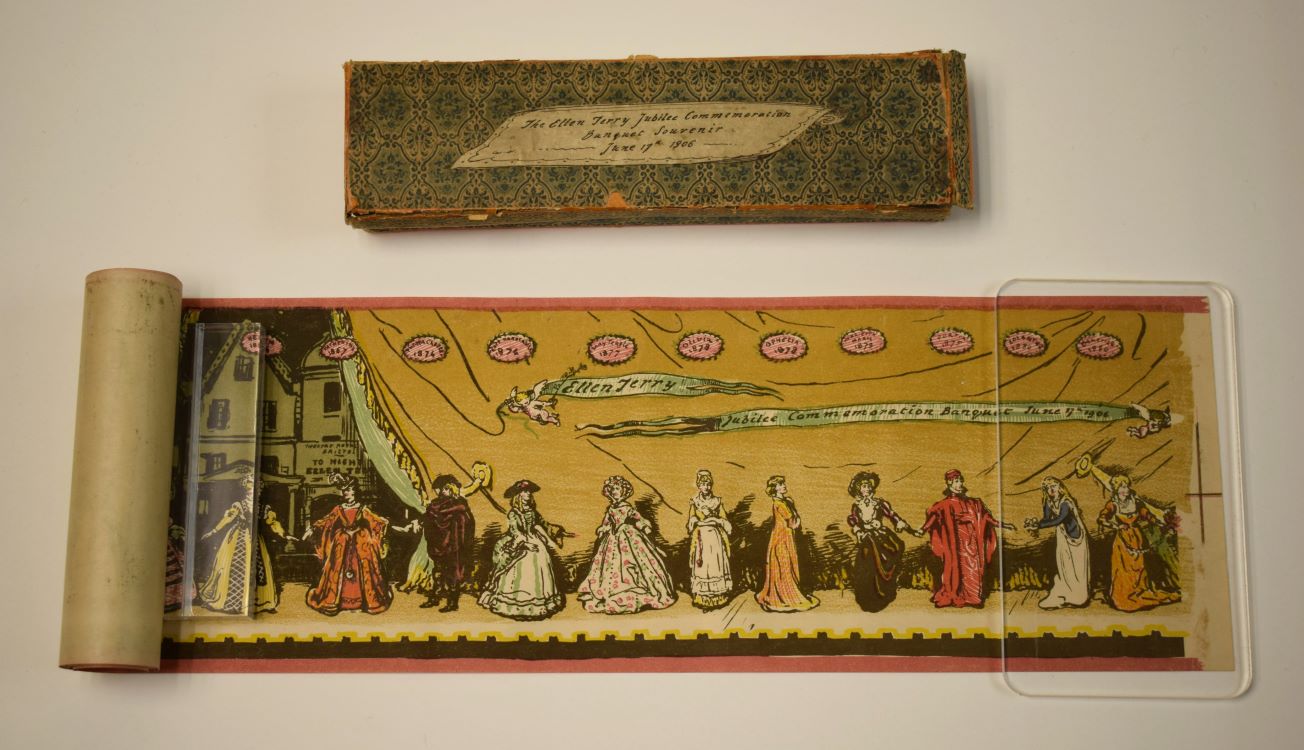
A tour de force in the form of a party favor, this long color lithograph scroll by the painter William Nicholson (1872-1949) depicts the Victorian actress Ellen Terry (1847-1928) in forty-one roles, including William Shakespeare’s Puck, Ophelia, Portia, Beatrice, Juliet, Lady Macbeth and Mistress Page, and Oliver Goldsmith’s Kate Hardcastle. It was distributed to the guests at a dinner marking her fifty years on the stage, held at the Hotel Cecil, London, on June 17, 1906. As Terry recorded in her autobiography, most of those present left their scrolls on their chairs, so very few examples survive. This one and its box was taken home by May Ward (1881-1958?), a one-time aspiring actress.
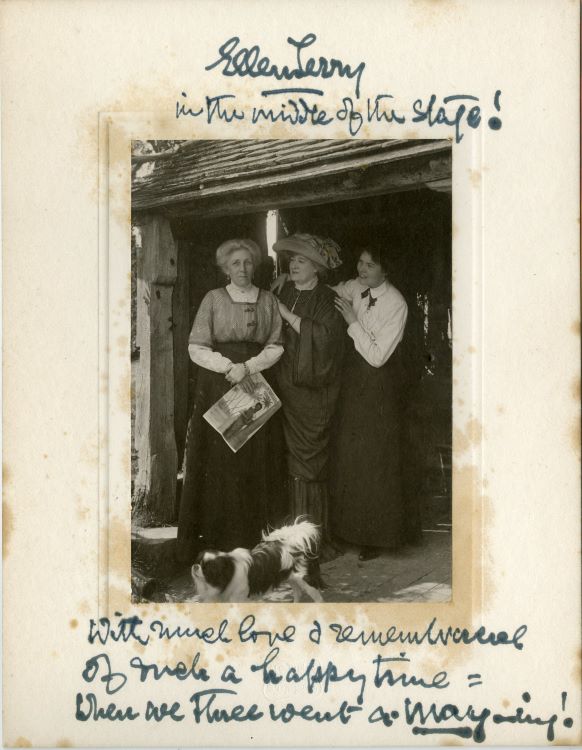
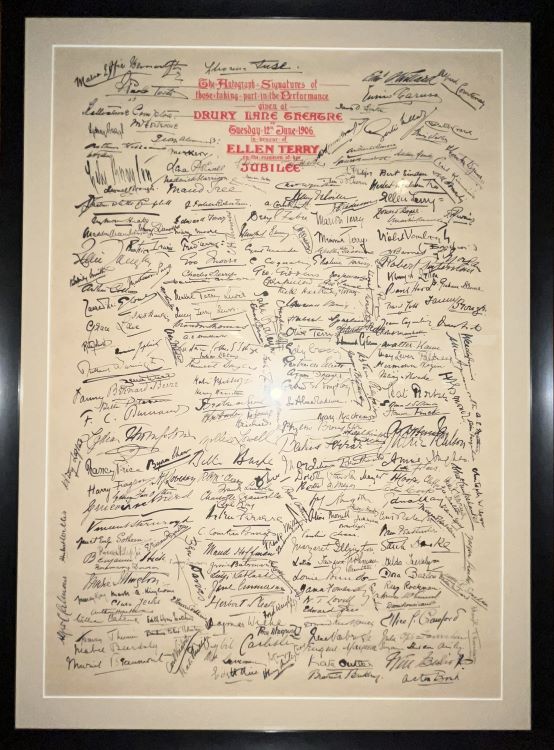
The teenage Ward began to correspond with Terry in 1895 and by the time of the jubilee was a good, if somewhat cloying, friend. The banquet was preceded five days before by an hours-long celebratory matinee at the Drury Lane Theatre. A poster to promote the matinee bears the autographs of the performers and expected attendees, including Enrico Caruso, Lillie Langtry, the Terry family (among them Ellen Terry herself), Eleanora Duse, and the 22-year-old Billie Burke, who later would portray the Good Witch of the North in The Wizard of Oz.
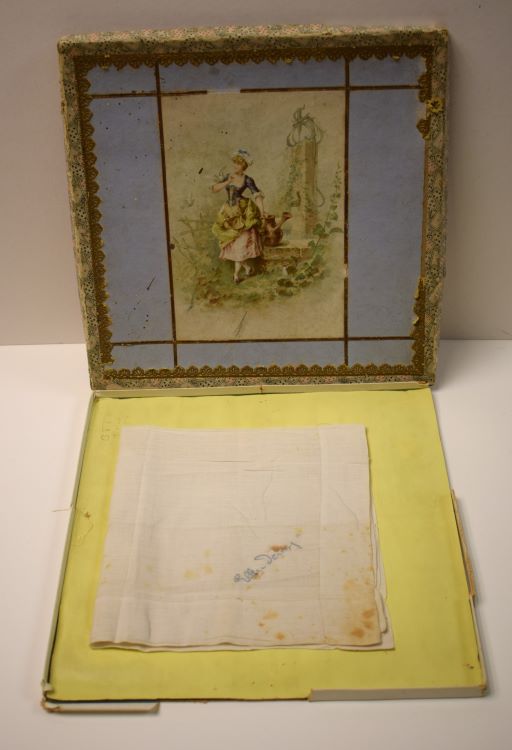
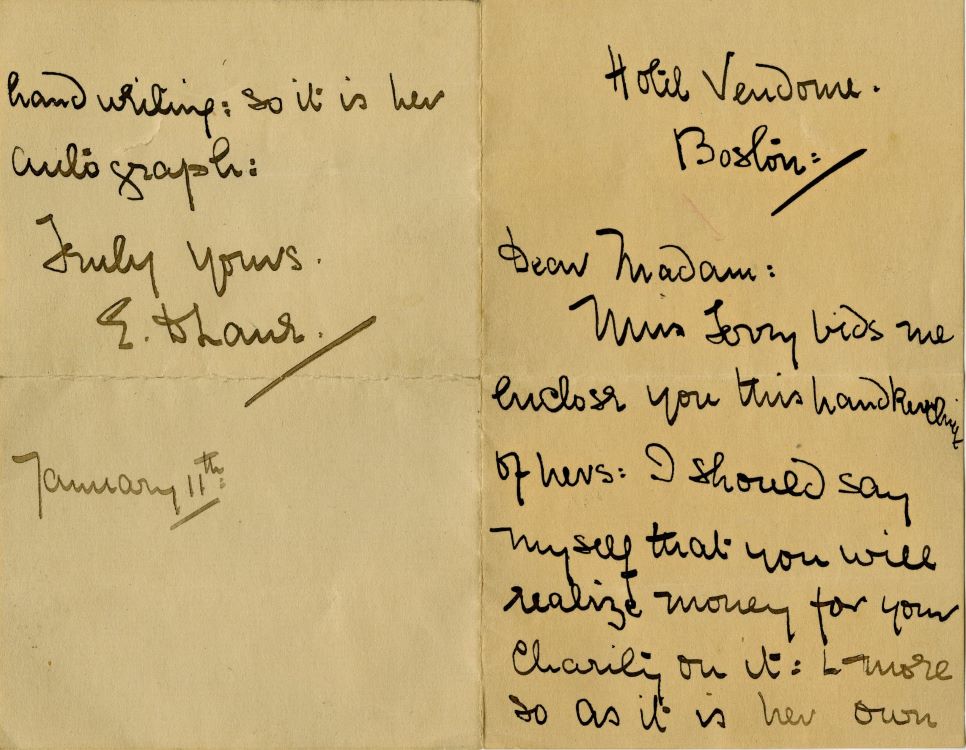
Earlier in her career, Terry donated this handkerchief with her embroidered signature to a charity sale while she was in Boston starring with Henry Irving in a Shakespeare season at the Tremont Theater in January 1894. Such was Terry’s fame that this simple piece of cotton cloth was preserved in the same decorated box for well over a century before turning up on eBay. The accompanying letter, ostensibly written in the third person by an assistant, is in Terry’s own characteristic handwriting.
Max Cigarettes Box and Matches, 1950s
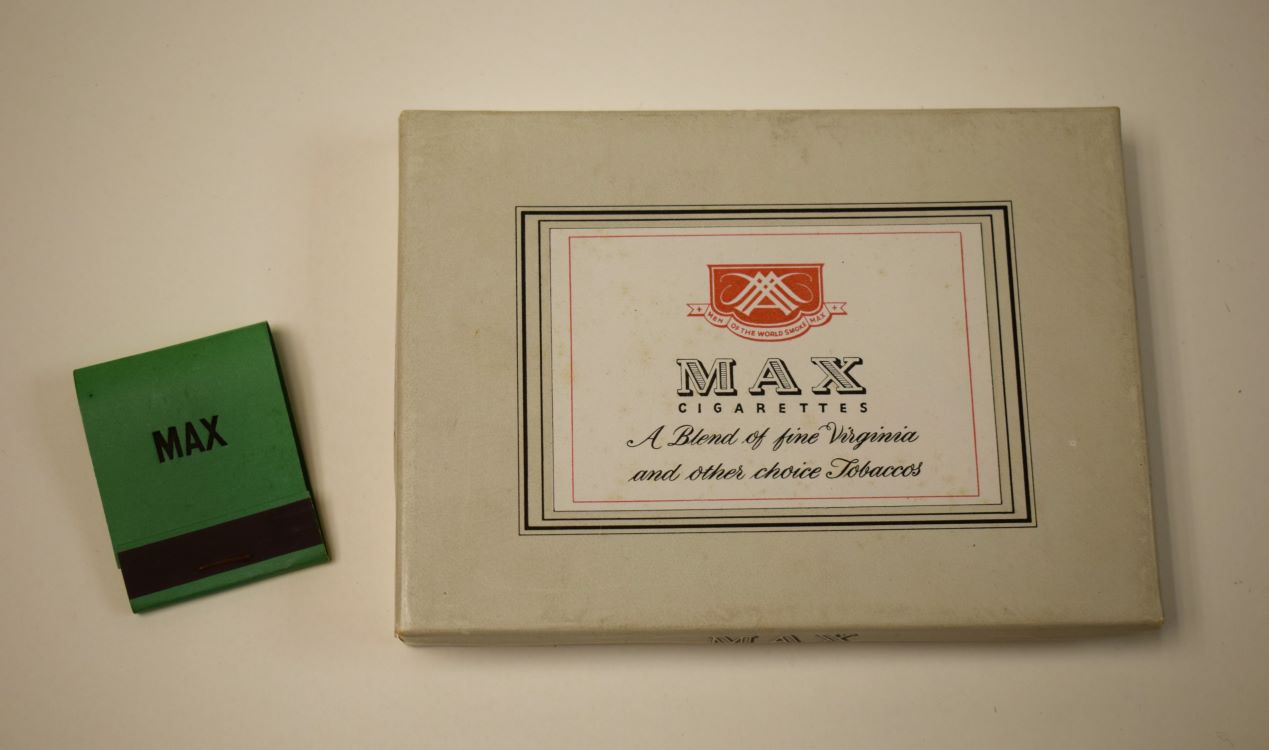
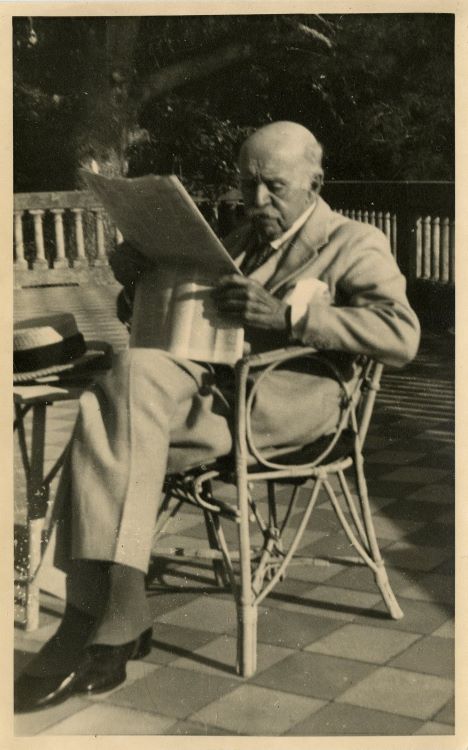
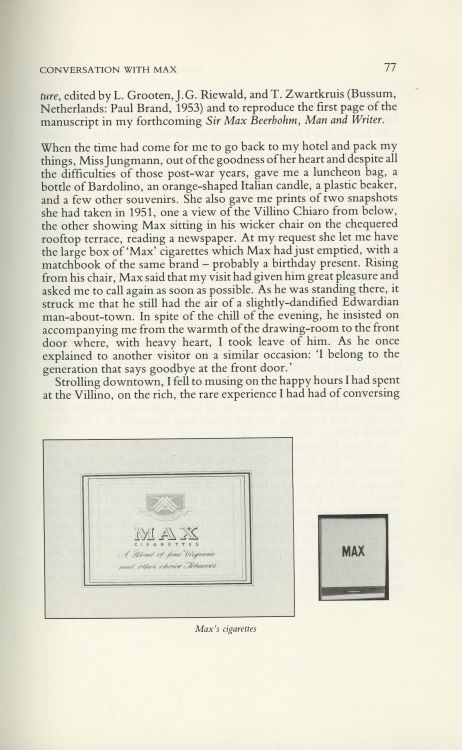
In November 1952, the Dutch academic J. G. Riewald (1910-2006) traveled to the Italian Riviera town of Rapallo to meet the writer and caricaturist Max Beerbohm (1872-1956), the subject of his doctoral dissertation with whom he had corresponded for several years. (The dissertation was published as Sir Max Beerbohm: Man and Writer, With a Bibliography, still a definitive work). Riewald took away Beerbohm’s empty cigarette box—note the brand—and a specially-printed matchbook. As he left, Elizabeth Jungmann, Beerbohm’s companion (later wife) presented him with photographs of Beerbohm and his home, the Villino Chiaro. So auspicious was the occasion that forty years later Riewald was able to describe the event in detail in Remembering Max Beerbohm. Beerbohm later sent Riewald a self-caricature done in the style of his drawings of the 1890s and the manuscript of his 1942 essay, “Remembered Meals.”
Wooden Bowl with Shells and Stones, circa 1980s
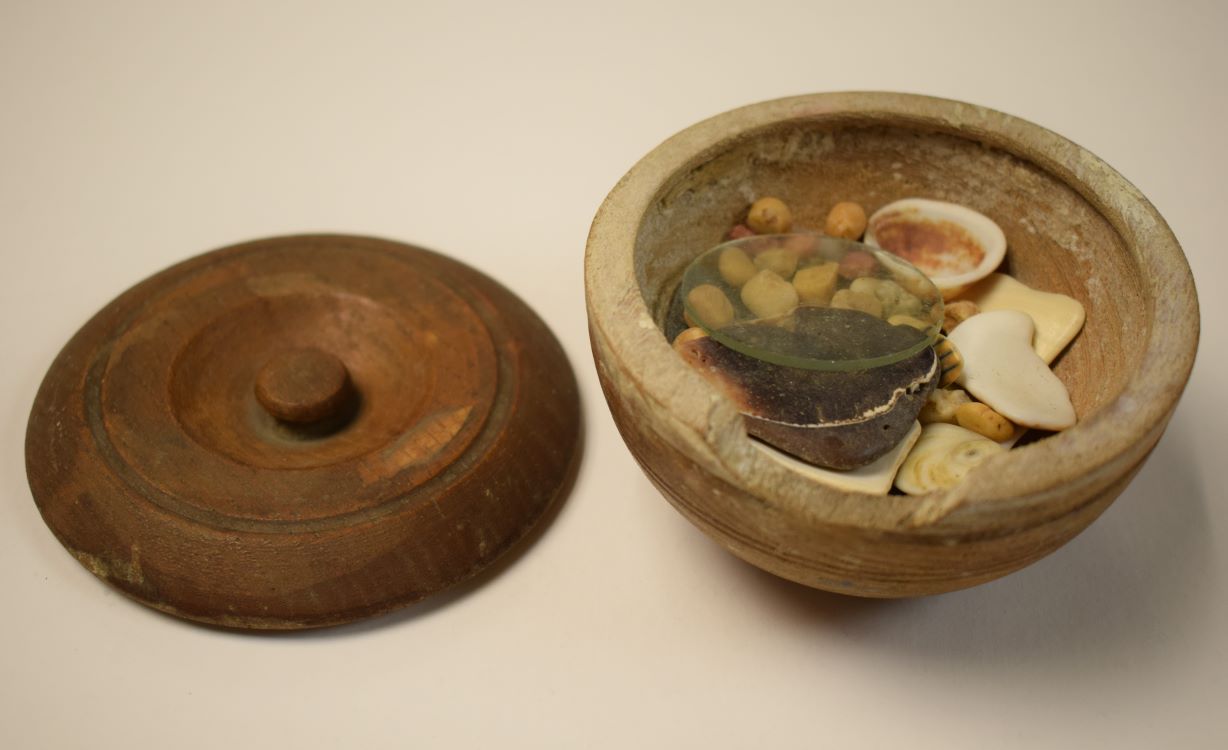
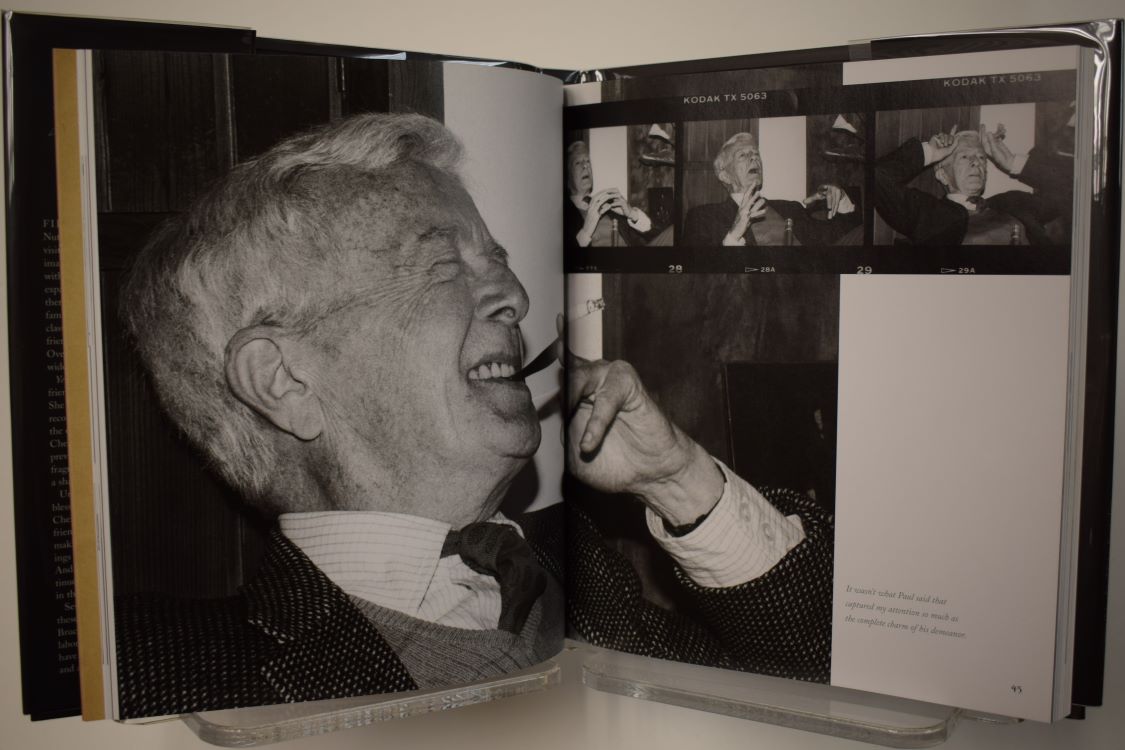
American composer and author Paul Frederick Bowles (1910-1999) and his wife Jane Bowles (1917-1973) traveled extensively throughout their marriage and, in 1947, made Tangier, Morocco their permanent home. Known as the “dean of American expatriate writers,” Paul Bowles frequently hosted visits in Tangier from major cultural figures and cultivated a circle of creative friends and acquaintances who shared his interest in North African culture and geography.
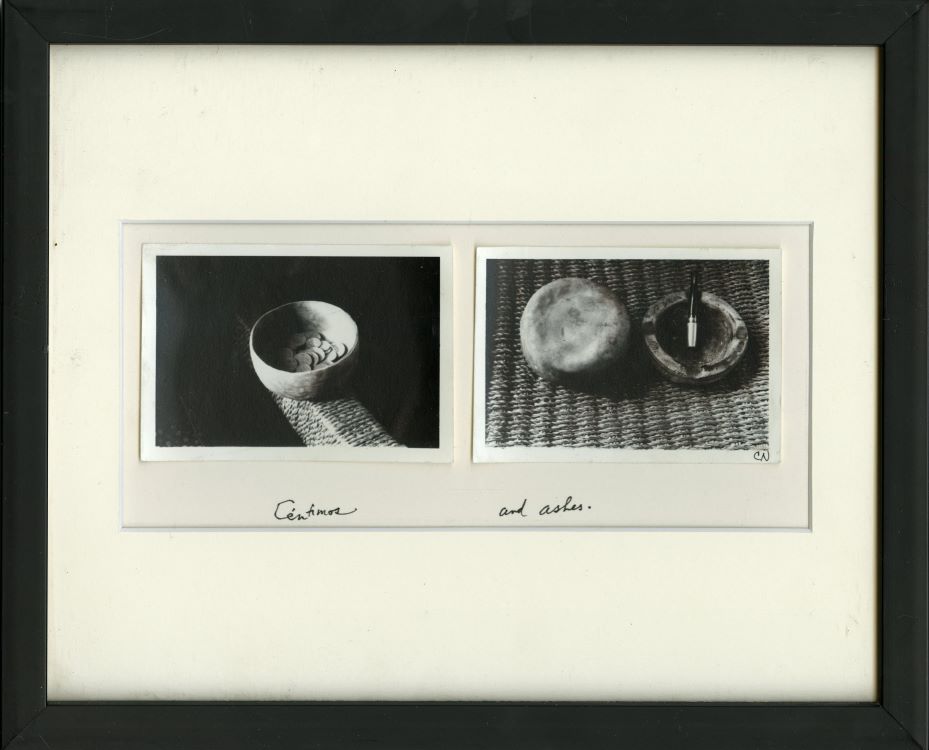
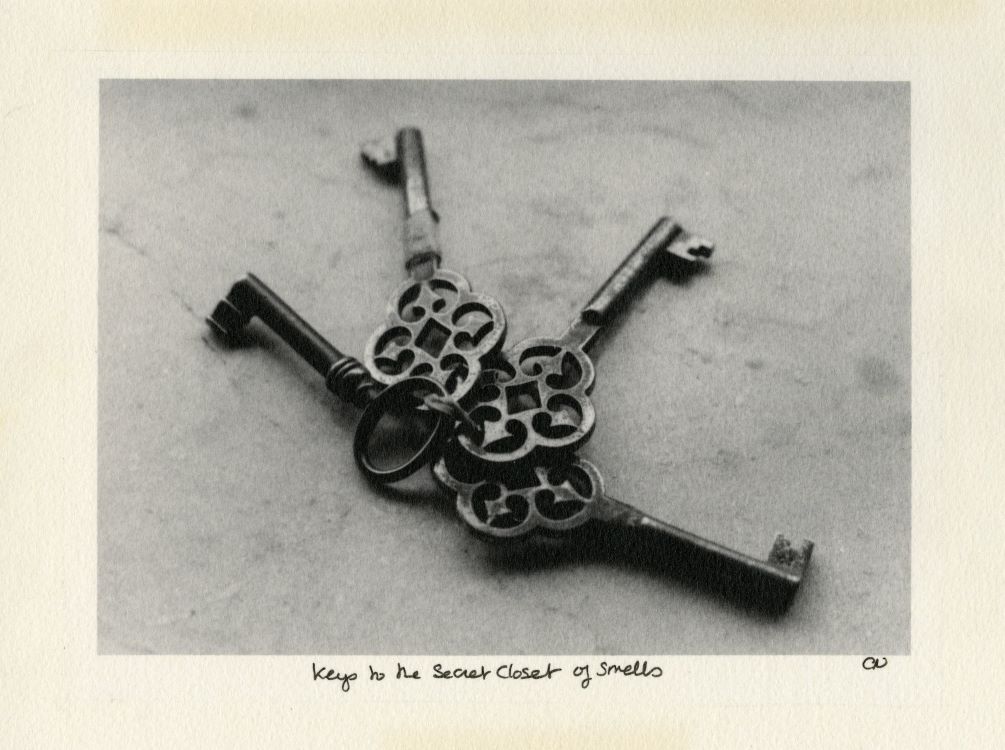
One such friend was Cherie Nutting (b. 1949), a photographer who started corresponding with Paul Bowles in 1985 after reading his book The Sheltering Sky and, in 1986, began photographing Bowles at his invitation. Many of Nutting’s photographs focus on ordinary objects like this bowl, elevating them from everyday items to artistic pieces emblematic of Bowles’ spirit and his life in Morocco. Bowles and Nutting later collaborated on Yesterday’s Perfume: An Intimate Memoir of Paul Bowles (2000), which features Nutting’s photographs and reminiscences of the pair’s friendship, as well as Bowles’ journal entries, new essays, and previously unpublished writings.