
Exchanging gifts can strengthen both long-standing friendships as well as newer acquaintanceships. The objects on this page represent personal, professional, and diplomatic connections.
Wood-Beaded Cross Pendant, circa 1840s-1860s
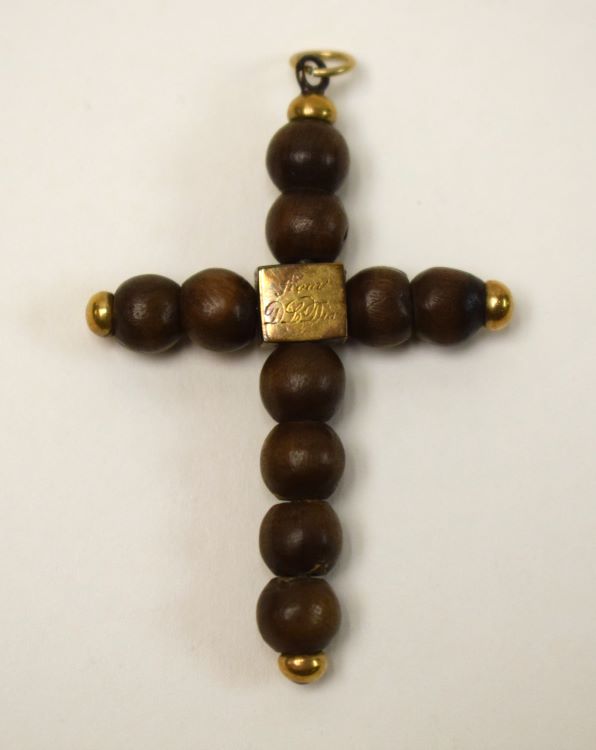
This cross pendant is a testament to the friendship between two remarkable nineteenth-century women: Dorothea Dix (1802-1887) and Margaretta Hare Morris (1791-1867). Dix was a social reformer remembered for her work on behalf of the mentally ill and for her service as Superintendent of Army Nurses for the Union Army during the American Civil War. Morris was an entomologist and one of the first women elected to the American Association for the Advancement of Science (1850) and to the Academy of Natural Sciences of Philadelphia (1859).
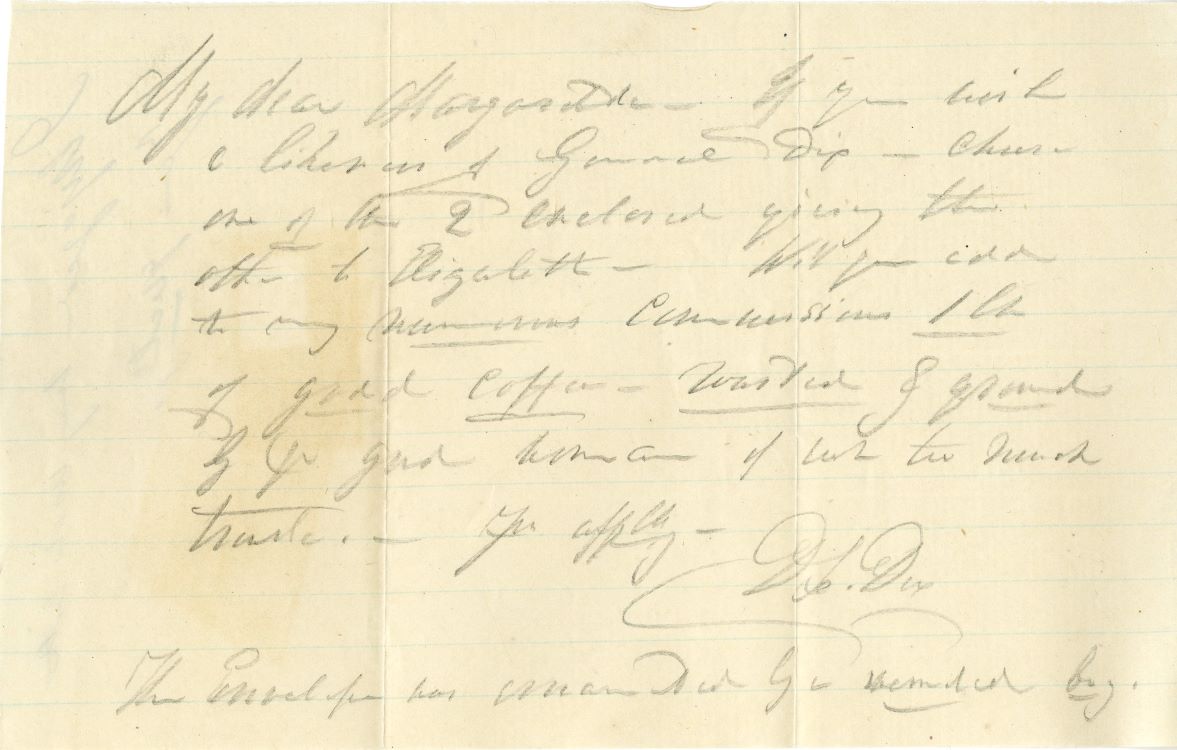
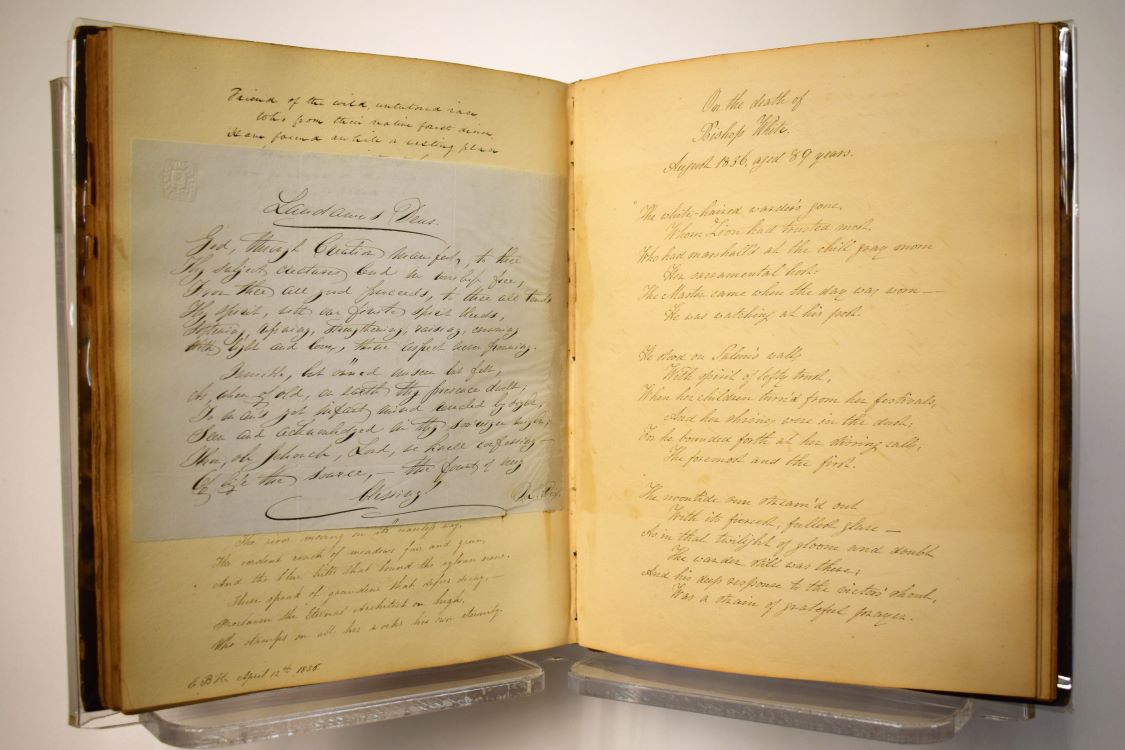
Through their shared interest in nature and science, Dix became friends with both Margaretta and her sister, the botanist Elizabeth Carrington Morris (1795-1865). Dix gave this cross to Margaretta and its central metal bead is inscribed with both women’s initials, making it a highly personal–even intimate–gift. The close relationship between Dix and the Morris sisters is also evidenced by the other materials on display, including a handwritten letter from Dix to Margaretta (circa 1860s) that accompanied two images of herself, one for each sister.
Japanese Kokeshi Doll, circa 1990s
The ceremonial exchange of gifts between representatives of foreign nations is a diplomatic ritual that goes back centuries. As varied and eclectic as the nations they represent, such gifts are universal symbols of friendship, admiration, and respect that range from works of native art and craftsmanship to antiques that embody a country’s heritage and culture.
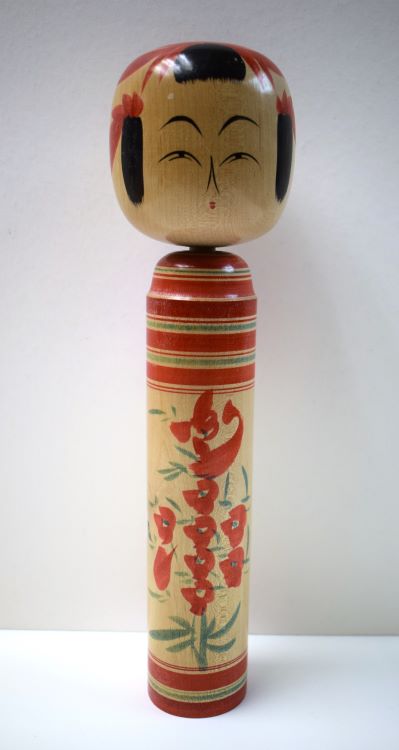
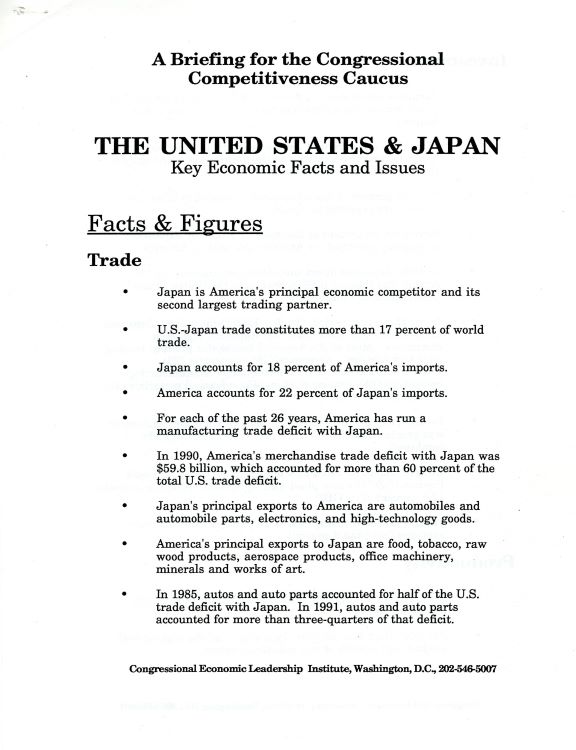
This Japanese Kokeshi doll was given to Thomas Richard (“Tom”) Carper (b. 1947) during his tenure as Delaware’s member-at-large in the U.S. House of Representatives (1983-1993). Traditionally associated with the Tohoku region of Northern Japan, Kokeshi dolls consist of a simple trunk and enlarged face with painted illustrations in vibrant colors like red, green, and purple. The design and pattern of the illustration varies according to where the doll was created and the wooden body is sealed with wax to prevent the design from fading over time. In Japan, the dolls are sometimes exchanged as wishes of good fortune and also symbolize hope for a bountiful harvest. Reflecting his extensive involvement in foreign relations, Rep. Carper likely received this doll while working on trade issues between the United States and Japan in the early 1990s.

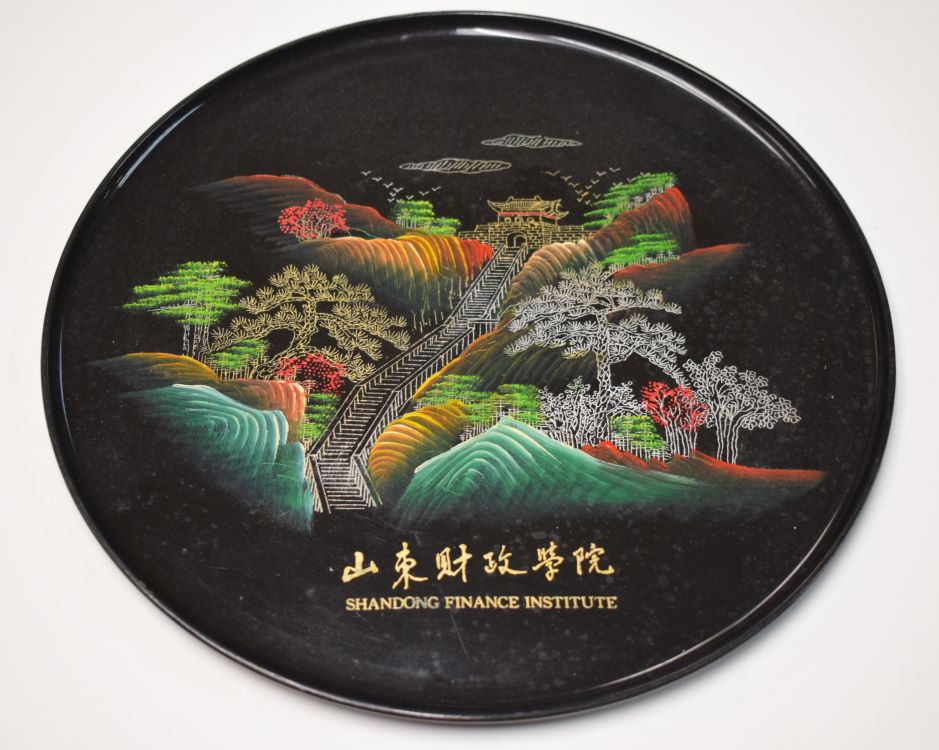
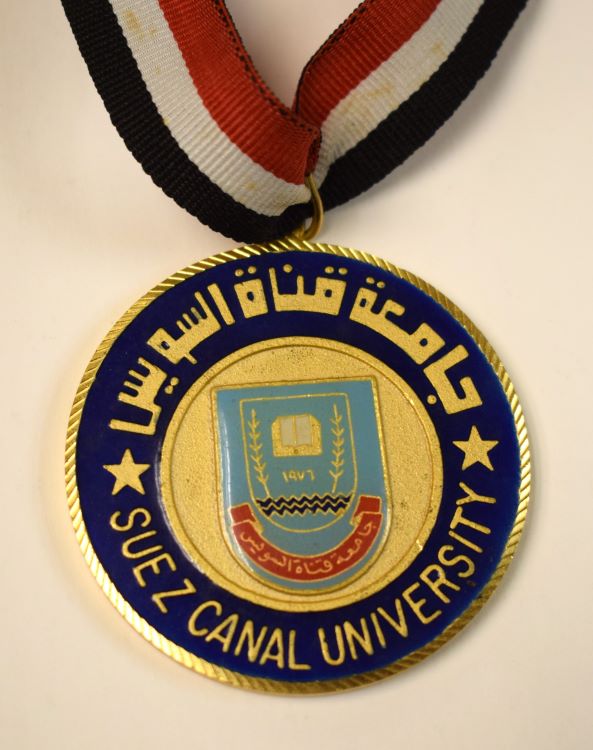
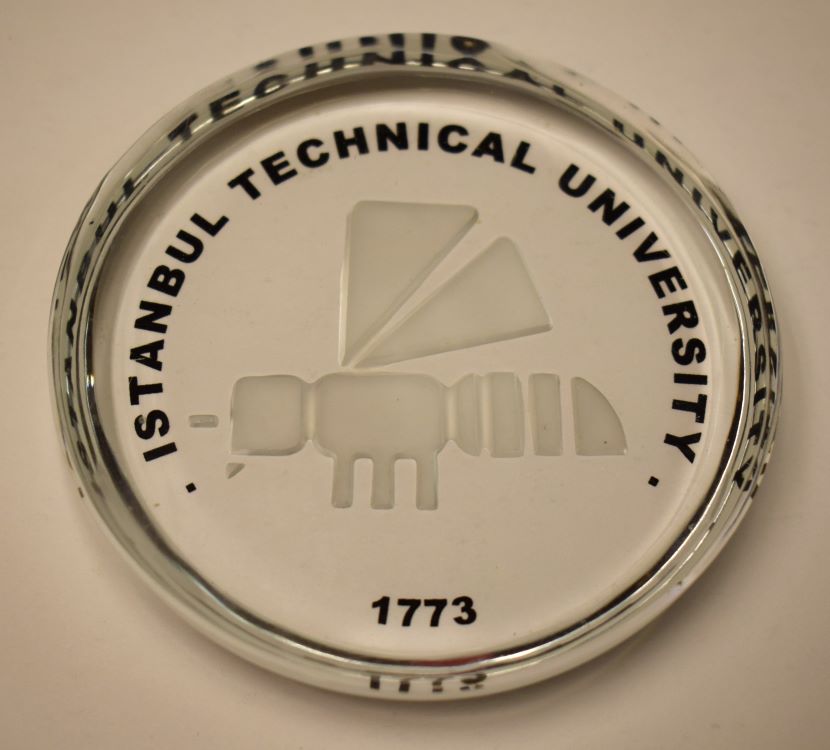
Memorabilia from International Universities, circa 1980-2005
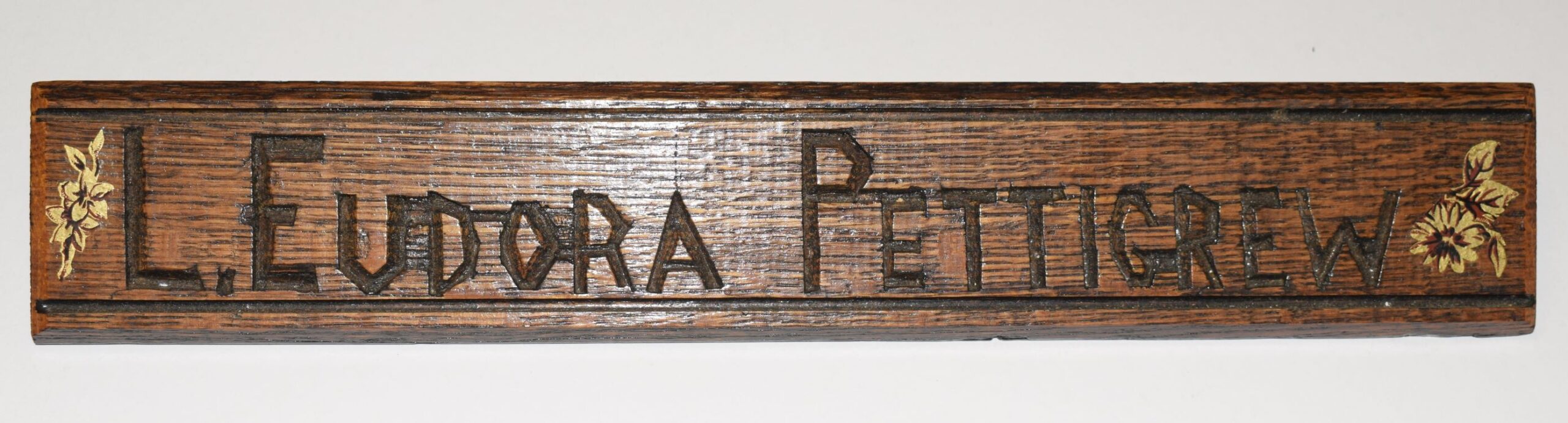
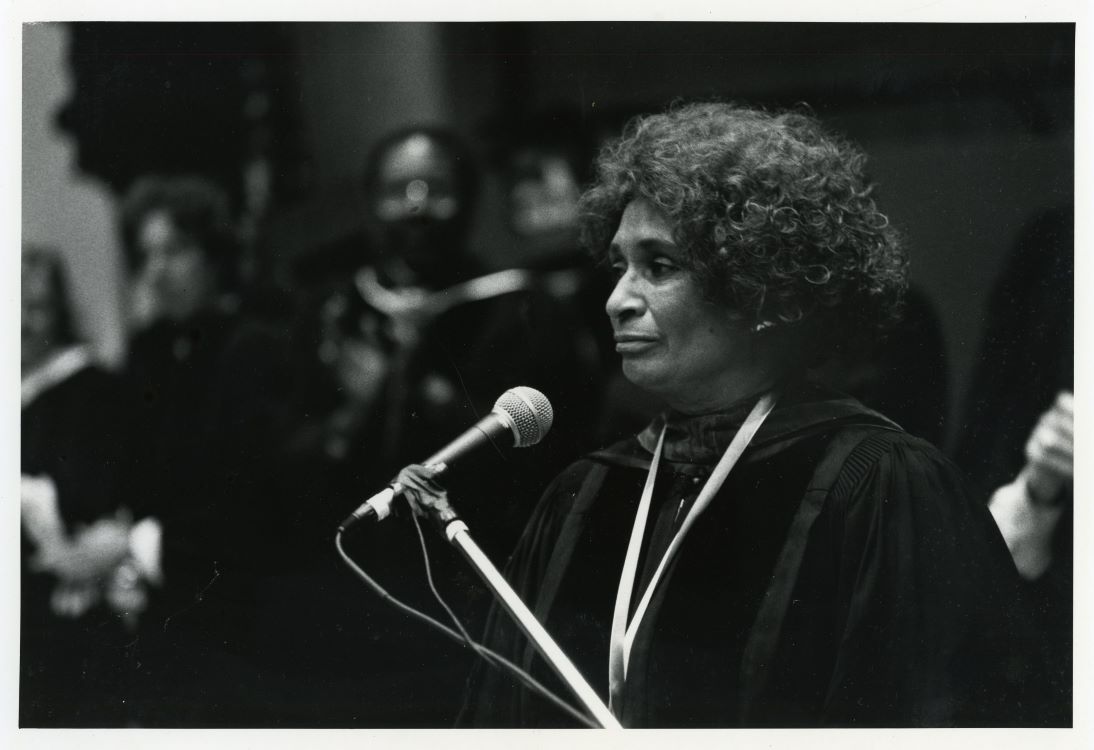
A champion of disarmament education and world peace efforts, Dr. Luella “Eudora” Pettigrew (1928-2021) traveled to universities around the world during her pioneering career as an educator, administrator, community leader, and global emissary. In an era of international tension and conflict that included the Vietnam War and the Cold War rivalry between the United States and the Soviet Union, Dr. Pettigrew championed higher education as a means of promoting cultural exchange, facilitating dialogue and nurturing peace among nations.
From 1990 through 2010, Dr. Pettigrew was actively involved in the work of the International Association of University Presidents (IAUP), an organization that promotes “global awareness and competence,” as well as “friendship, understanding, and confraternity among leaders of higher education.”

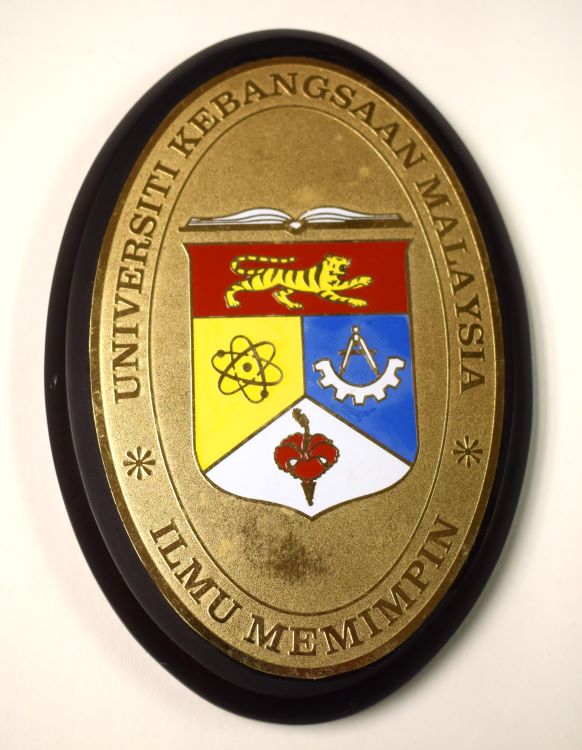
Through her work with IAUP, Dr. Pettigrew organized and participated in conferences at universities in Egypt, Turkey, Taiwan, Mexico, Japan, Denmark, and the People’s Republic of China, among others. As a member of this global academic community, Dr. Pettigrew was given a range of mementos symbolic of the cultural exchanges that were so central to her professional work, including gift plates, tea sets, paperweights, and letter openers.