
[[INTRO PARAGRAPH]]
Assorted Mementos Related to the Kalmar Nyckel, circa 1980s-1990s
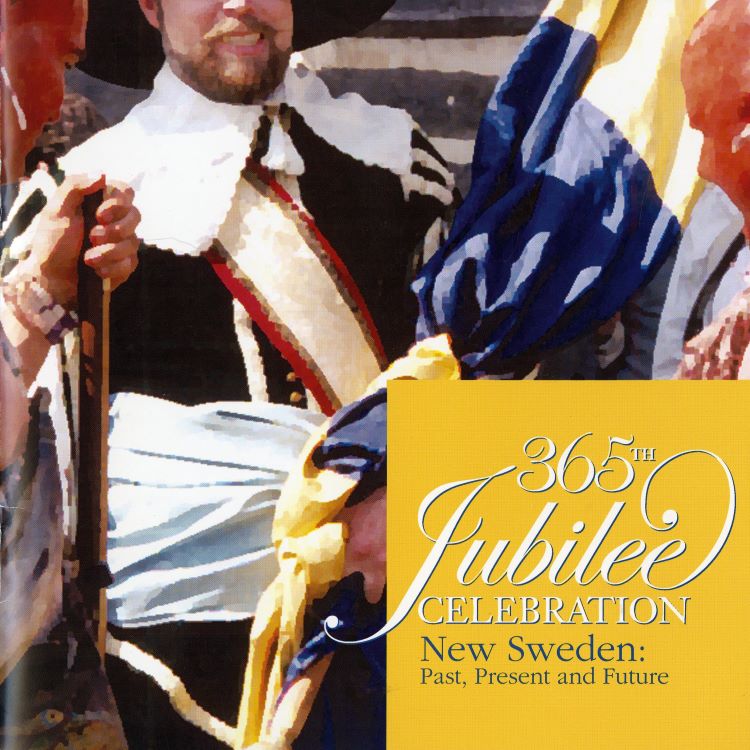
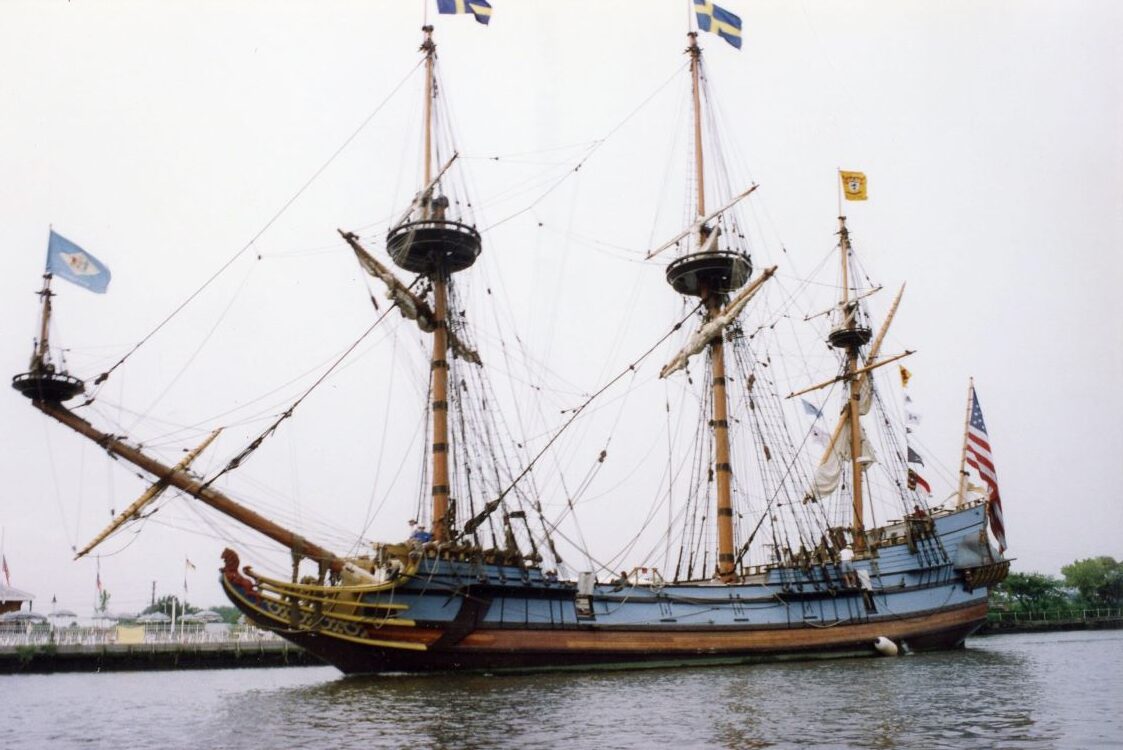
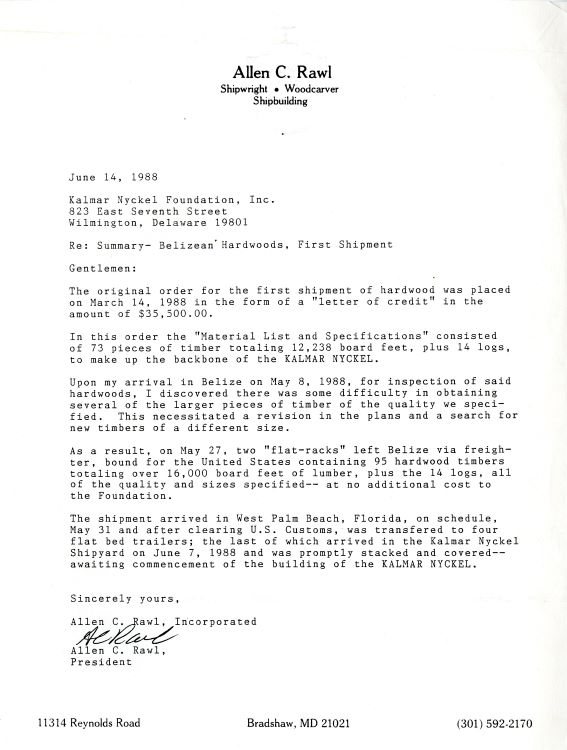
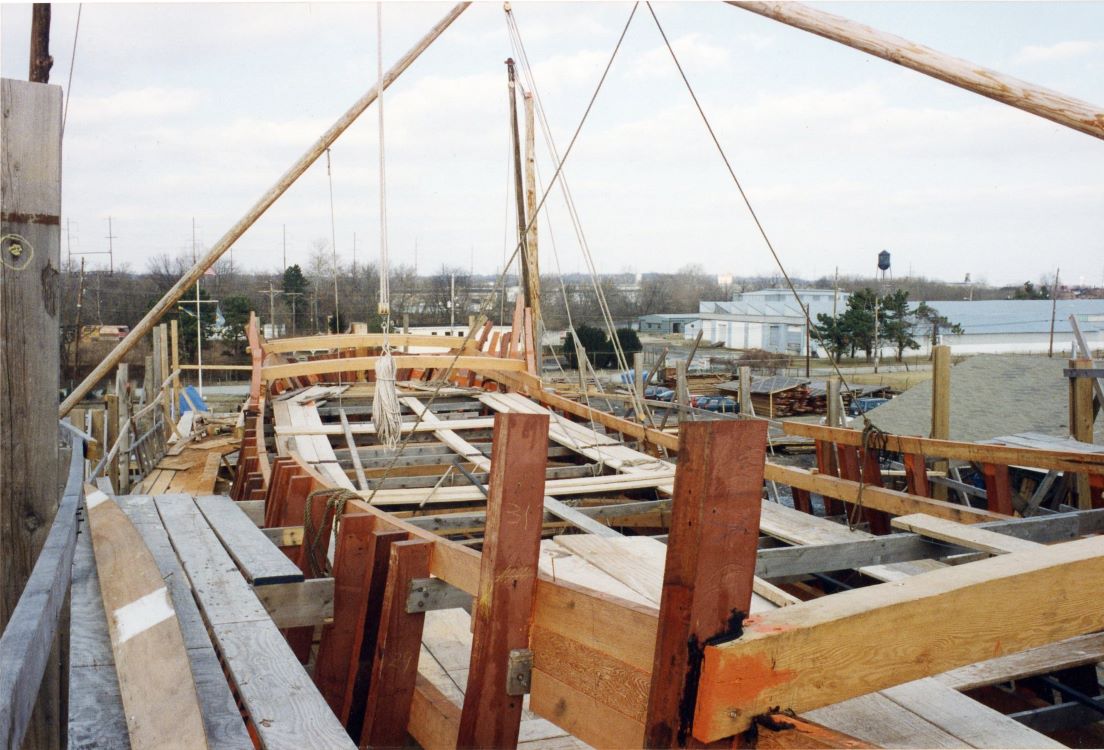
Known as the Swedish “Mayflower” of the Delaware Valley, the Kalmar Nyckel was the first ship to bring Swedish settlers to Delaware in 1638. These early settlers formed the colony of New Sweden along the Christina River and built Fort Christina, the first permanent European settlement in the Delaware Valley. Though the original Kalmar Nyckel sank during the Battle of Buchan Ness off the coast of Amsterdam in 1652, a full size working replica of the original ship was completed in 1997 and remains an iconic staple of the Wilmington Riverfront, due in part to the personal efforts of publicist and avid sailor Malcolm Lewis Mackenzie (1926-2000).
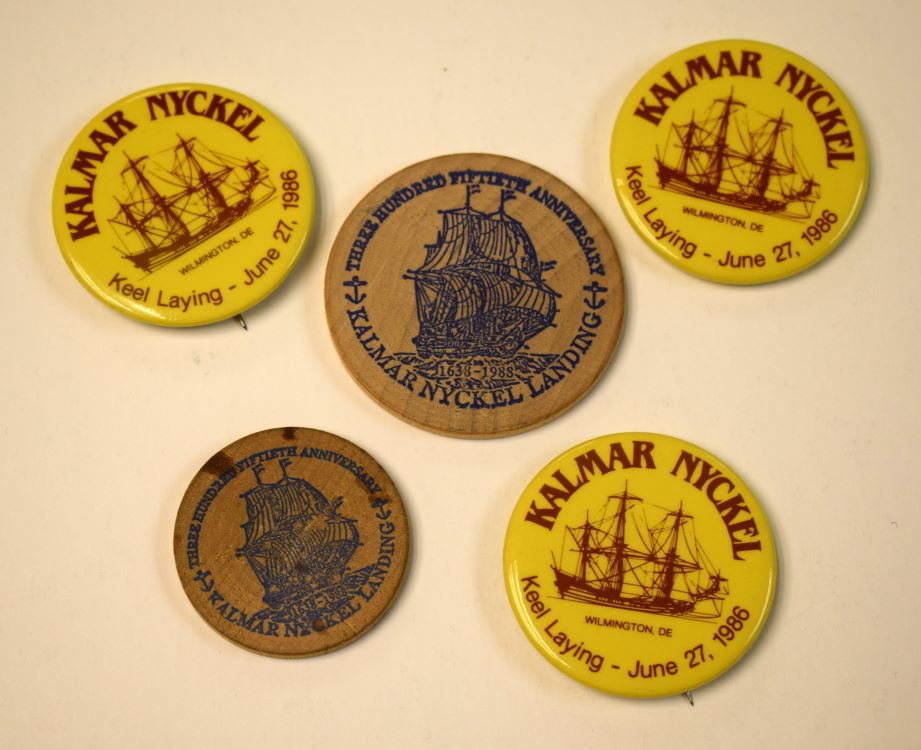
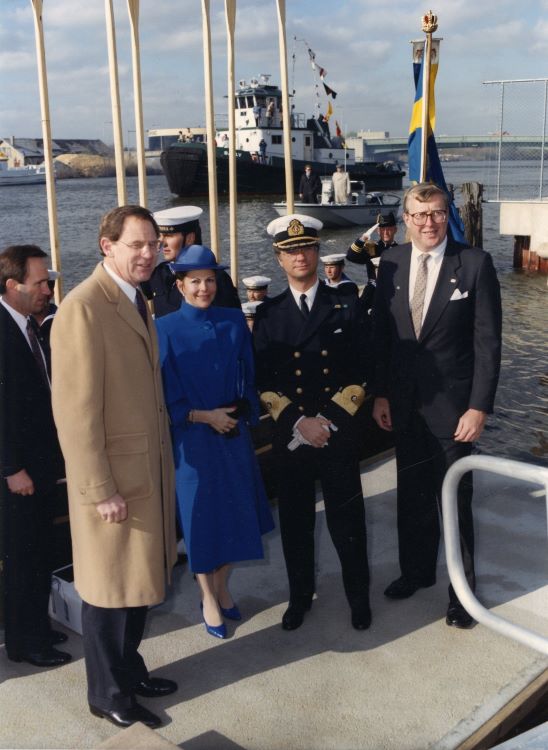
Affectionately called the father of the Kalmar Nyckel, Mackenzie collected various souvenir buttons and commemorative wooden coins, programs, and Swedish flags commemorating several historic events tied to the ship. Among these events were the royal visit of Sweden’s King Carl XVI Gustav and Queen Silvia in April 1988 to mark the 350th anniversary of the ship’s initial landing and the founding of New Sweden, the ceremony marking the completion of the replica Kalmar Nyckel in 1997, and the ship’s official commission in 1998.
Wood Slice from the Penn Treaty Elm, circa 1876
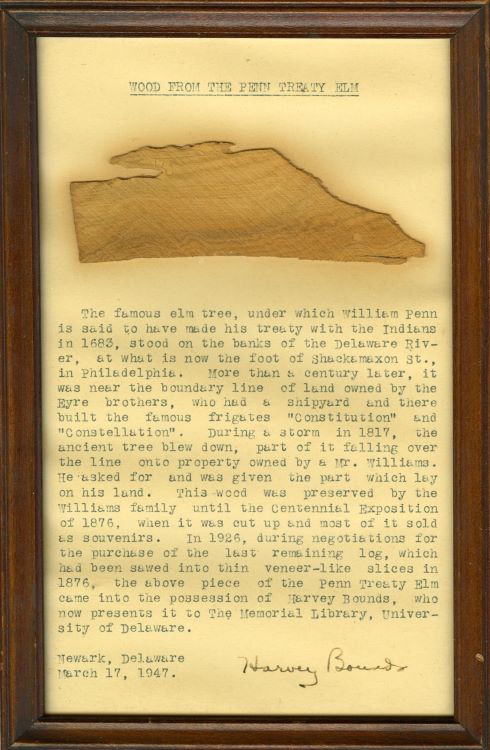
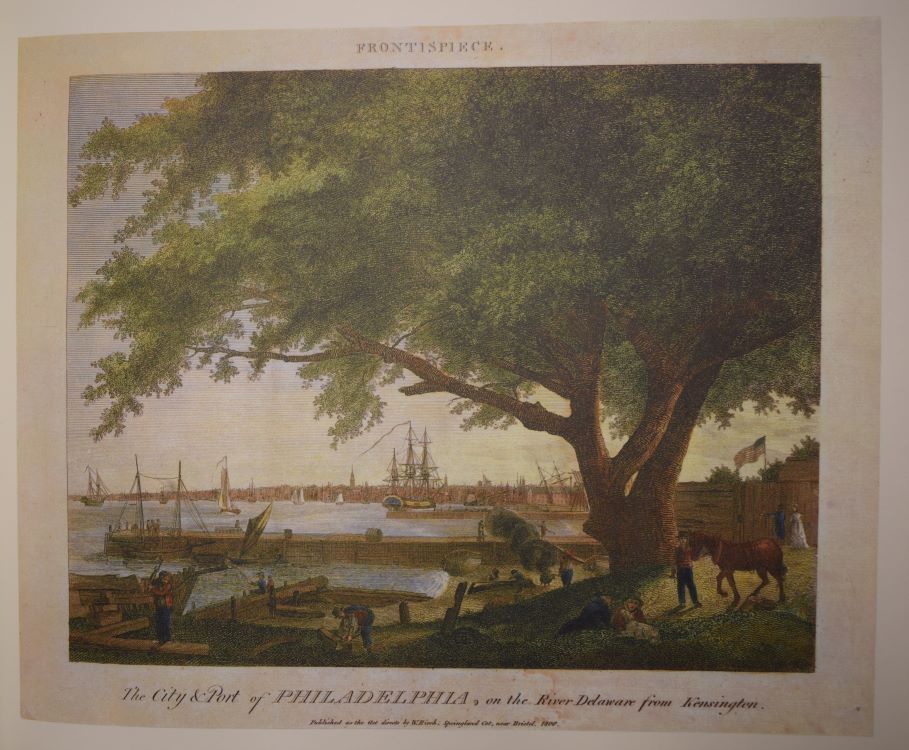
Like Plymouth Rock, the Penn Treaty Elm is an American landmark with symbolic importance but questionable pedigree. According to lore, William Penn (1644-1718) and leaders of the Lenni Lenape met beneath an elm tree in Shackamaxon (now Fishtown, Philadelphia) in 1683 and made a pledge of friendship and peace that enabled Quaker settlement. Although no primary source documentation of this treaty exists, the story was quickly incorporated into the early-American mythos, and the so-called Treaty Elm became a symbol of Pennsylvania’s founding. Both the treaty and the tree were later memorialized in widely-reproduced works such as Benjamin West’s painting Penn’s Treaty with the Indians (1771-2) and William Russell Birch’s engravings in The City of Philadelphia. . . as It Appeared in the Year 1800 (1800).

After the Treaty Elm was felled in a storm in 1810, pieces began to be distributed as relics to commemorate the tree’s presumed participation in the historic agreement. This piece was gifted to the University of Delaware Library (then still in Memorial Hall) in 1947 by local historian Harvey C. Bounds (1893-1969). Bounds’ accompanying narrative details the continued divvying up of pieces of the Treaty Elm through 1926, when he himself acquired this slice.