
Find Exhibitions
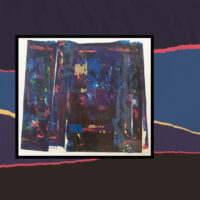
Assembled: Collage, Assemblage and Mixed MediaOn View
This exhibition highlights works built through accumulation, juxtaposition and transformation. On view are compositions that bring together found objects and repurposed imagery with hand-rendered marks, creating layered works that engage questions of authorship, memory and meaning. These visual exchanges between the handmade and the sourced invite close looking and reflection on how artists construct new narratives from existing materials.
Dates:
September 1, 2026 - December 8, 2026
Location:
Mechanical Hall Gallery
Categories:
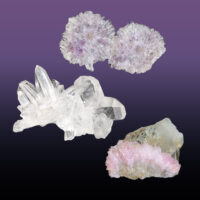
QuartzOn View
Quartz is the second most common mineral in the earth’s crust. It comprises the majority of sand beaches in the world due to its abundance, hardness and resistance to erosion. It also forms crystals which can be very large. Although often transparent or white, other color varieties include amethyst (purple), citrine (yellow-orange) and gray or black (smoky). This exhibition includes recent acquisitions, an important specimen from Pennsylvania, early DuPont collection examples, and a “mystery” crystal given by Quaesita Drake, a chemistry professor, for whom Drake Hall is named.
Dates:
September 1, 2026 - December 8, 2026
Location:
Mineralogical Museum
Categories:
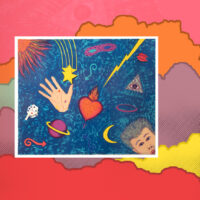
The People Could Fly: Black Religion, Spirituality and LiberationOn View
Exploring a range of visual and material culture, The People Could Fly surveys art that represents American, Caribbean, and African spiritual traditions while simultaneously intertwining themes of Black liberty across time and space. Together, these works understand the multifaceted range of Black religious traditions as journeys to a present or eventual spiritual home where a shared freedom can be enjoyed.
Dates:
September 1, 2026 - December 8, 2026
Location:
Old College Gallery
Categories:
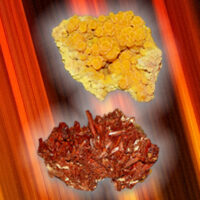
The Vibrant World of Lead MineralsOn View
Lead may be best known for its dull, gray appearance, but in the mineral world, it reveals a far more dazzling side. The Vibrant World of Lead Minerals invites you to explore the unexpected beauty of lead-based minerals—brilliant, colorful and captivating specimens that defy the element’s ordinary reputation. This exhibition showcases an array of stunning lead minerals from around the globe, including specimens from Australia, Namibia, Morocco and the United States.
Dates:
September 1, 2026 - December 8, 2026
Location:
Mineralogical Museum
Categories:
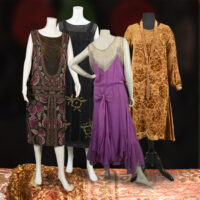
Blank Canvas: 1920s Fashion
Blank Canvas: 1920s Fashion explores how the chemise silhouette offered limitless creative possibilities for conveying the 1920s zeitgeist. It emerged as armor for the new modern woman, providing a platform to communicate their identity and ideals.
The exhibition showcases more than 60 garments from the 1920s drawn from the Fashion and Textile Collection in the Fashion and Apparel Studies Department, along with digital twins, virtual reproductions of selected fragile garments.
Dates:
February 3, 2026 - May 15, 2026
Location:
Mechanical Hall Gallery
Categories:
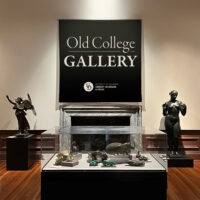
Highlights from the Museums
From fall 2025 through fall 2026, the Main Gallery of Old College will showcase a unique installation of the UD Library, Museums and Press’ mineral and art collections. This presentation highlights the beauty of natural materials alongside the creativity of sculptural form, inviting visitors to explore the dialogue between art and nature.
Dates:
February 3, 2026 - May 15, 2026
Location:
Old College Gallery
Categories:
Sculpture and installations, Minerals
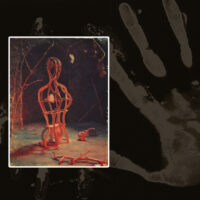
Photo / Object
Since the invention of photography around 1839, it has become ubiquitous in our daily lives thanks to the availability of powerful instant cameras in our pockets. Photographs may literally be “written with light,” capturing a moment and place in an instant flash. Yet, they are also so much more: they are intricate material objects entangled in systems of extraction, motion and collection.
Photo / Object gathers a wide range of processes and formats from repositories across the University of Delaware’s campus. These photographs take up space and invite us to remember that they are real objects made from physical materials, enabling us to revisit our relationship with this artistic medium.
Dates:
February 3, 2026 - May 15, 2026
Location:
Old College Gallery
Categories:
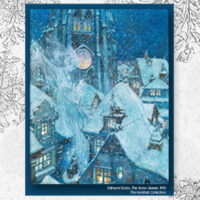
Icons of the Fantastic: Illustrations of Imaginative Literature from the Korshak Collection
Visual artwork draws readers into imaginative realms, ignites curiosity and allows stories to transcend the boundaries between text and image–further transforming complex narratives and fantastical worlds into accessible experiences for all.
We invite you to embark on a visually breathtaking journey through more than a century of imaginative art in Icons of the Fantastic: Illustrations of Imaginative Literature from the Korshak Collection. This two-gallery exhibition, presented across the University of Delaware’s Mechanical Hall Gallery and the West Gallery in Old College, showcases 80 original works of art by 50 celebrated illustrators whose visionary work helped shape the genres of science fiction, fantasy and adventure; and celebrates the groundbreaking legacy of Erle Korshak and Shasta Publishers in fantasy and science fiction worlds.
Dates:
August 28, 2025 - December 9, 2025
Location:
Old College Gallery
Categories:
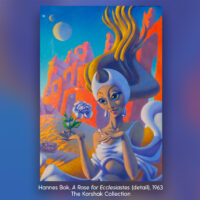
Icons of the Fantastic: Illustrations of Imaginative Literature from the Korshak Collection
Visual artwork draws readers into imaginative realms, ignites curiosity and allows stories to transcend the boundaries between text and image–further transforming complex narratives and fantastical worlds into accessible experiences for all.
We invite you to embark on a visually breathtaking journey through more than a century of imaginative art in Icons of the Fantastic: Illustrations of Imaginative Literature from the Korshak Collection. This two-gallery exhibition, presented across the University of Delaware’s Mechanical Hall Gallery and the West Gallery in Old College, showcases 80 original works of art by 50 celebrated illustrators whose visionary work helped shape the genres of science fiction, fantasy and adventure; and celebrates the groundbreaking legacy of Erle Korshak and Shasta Publishers in fantasy and science fiction worlds.
Dates:
August 28, 2025 - December 9, 2025
Location:
Mechanical Hall Gallery
Categories:
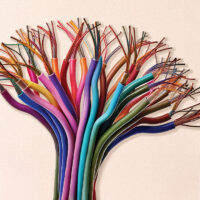
Compendium: Spring 2025 MFA Exhibition
Compendium brings together the work of the 2025 Master of Fine Arts graduates—a dynamic and diverse group of artists from across the globe. Spanning a broad range of media, from traditional painting and ceramics to 3D-printed forms, repurposed technologies, and alternative photographic techniques, the exhibition reflects each artist’s unique journey of inquiry and experimentation. United by a shared moment in time yet shaped by distinct cultural and personal experiences, these works offer fresh perspectives on how we see, feel, and make sense of the world today. Compendium is both a celebration of artistic individuality and a collective portrait of a moment defined by complexity, imagination, and transformation.
Dates:
June 3, 2025 - June 7, 2025
Location:
Mechanical Hall Gallery
Categories:
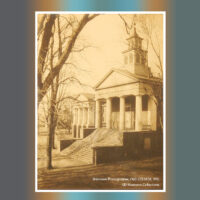
Colors of Old College
Colors of Old College is an immersive, multimedia exhibition that unveils the evolving story of Old College, tracing its journey from its 1830s origins to its present-day prominence.
Dates:
February 4, 2025 - May 15, 2025
Location:
Old College Gallery
Categories:
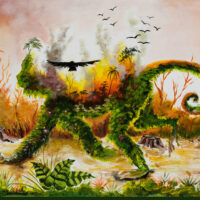
MINE: What is Ours in the Wake of Extraction
The Amazon is on the brink of collapsing, and with it, Indigenous cultures and lands are at risk of disappearing. Over the past 20 years, the Harakbut Indigenous community from the Madre de Dios region in the Peruvian Amazon has been devastated by an illegal gold mining boom. In MINE: What is Ours in the Wake of Extraction, visitors can become part of the solution by learning about the Harakbut culture through the works of the Etochime Artist Collective. The collective’s artworks speak to Indigenous worldviews and the disastrous impact the extractive industries have had on their land and people.
Dates:
February 4, 2025 - May 15, 2025
Location:
Mechanical Hall Gallery
Categories:
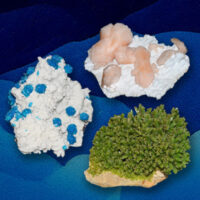
Minerals from China and India
Discover the dazzling beauty and geological wonders of two of the world’s most mineral-rich regions in Minerals from China and India. This spring exhibition presents a stunning array of minerals that showcase the rich diversity, vibrant colors and intricate forms that define the natural treasures of China and India.
Dates:
February 4, 2025 - May 15, 2025
Location:
Mineralogical Museum
Categories:
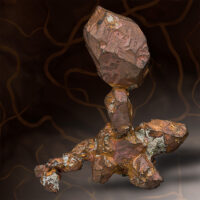
Sculptural Copper Saved from the Smelter
Copper was essential to building America in the 19th century. Before it could be used in trains and other steam engines or in electrical wiring, copper had to be mined from rocks and smelted – extracted from its ore by heating and melting. As a result, many experienced European miners came to America in the 1800s to work in areas rich with copper mines, like Keweenaw County in the Upper Peninsula of Michigan. These miners, who worked by hand, would keep fine specimens from their discoveries for their own collections. In Sculptural Copper Saved from the Smelter, visitors will explore an array of copper specimens that these miners collected over the years. The copper on view has been sculpted by nature, with each specimen strangely and beautifully unique.
Dates:
February 4, 2025 - May 15, 2025
Location:
Mineralogical Museum
Categories:
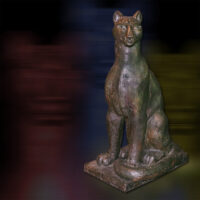
Sight, Sound and Motion: The Dimensions of Sculpture
In Sight, Sound and Motion: The Dimensions of Sculpture, visitors will explore the breadth and variety of the University’s sculpture collection alongside paintings, photographs and works on paper that speak to the art form of sculpture. Among the materials on view are sculptures that move and create sound as well as works by well-known sculptors, including Jeff Koons, Harry Bertoia, Selma Hortense Burke, Hayward L. Oubre Jr., George Grey Barnard and William Zorach.
Dates:
September 3, 2024 - December 13, 2024
Location:
Old College Gallery
Categories:
Forged in Fire, Whittled by Water, Worked by Humans
Created:
May 31, 2024
Location:
Online Only
Categories:
Photographs, Prints, Decorative art and utilitarian objects
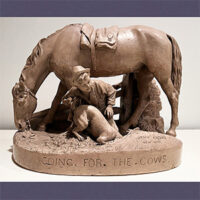
Building a Collection for Teaching: Helen Farr Sloan's Gifts to the University's Museums
Dates:
February 6, 2024 - May 16, 2024
Location:
Old College Gallery
Categories:
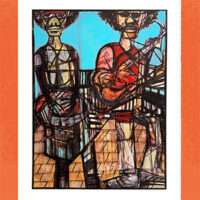
The Artistic Legacy of James E. Newton: Heritage and Character Portraits
Dates:
February 6, 2024 - May 16, 2024
Location:
Mechanical Hall Gallery
Categories:
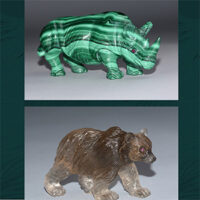
The Influence of Culture, Craft and Substance in Stone Carvings
Dates:
February 6, 2024 - May 16, 2024
Location:
Mineralogical Museum
Categories:
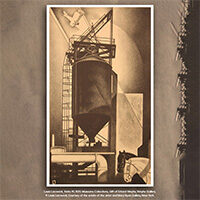
Architectural Expressions in Stone, Steel and Imagination
In Architectural Expressions in Stone, Steel and Imagination, explore how artists and makers embrace architecture as an evolving art form. Visitors will experience new ways of seeing architecture either as part of an overall environment or as a collective backdrop for other artistic manipulations.
Dates:
September 5, 2023 - December 9, 2023
Location:
Old College Gallery
Categories:
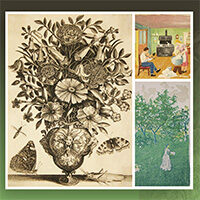
Insights: Staff Selections from the Art Collections
In Insights: Staff Selections from the Art Collections, our staff have shared their expertise and unique perspectives on a variety of pieces in the collections. Visitors will find perennial favorites alongside recently acquired artworks and objects that haven’t been on view for years to explore.
Dates:
September 5, 2023 - December 9, 2023
Location:
Mechanical Hall Gallery
Categories:
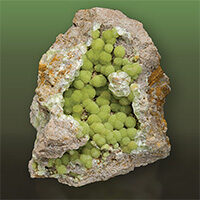
Insights: Staff Selections from the Mineral Collection
From minerals and gemstones to carvings and meteorites, the University has an incredibly diverse mineralogical collection. In Insights: Staff Selections from the Mineral Collection, explore an array of objects selected by staff who work with the collection in a range of ways. Visitors will gain new insights from these varied perspectives while discovering the breadth of the collection.
Dates:
September 5, 2023 - December 9, 2023
Location:
Mineralogical Museum
Categories:
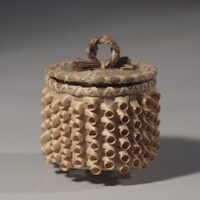
Braided Sweetgrass and Pounded Ash: Contemporary Wabanaki Baskets
The baskets in this exhibition come from the hands of contemporary Wabanaki basket makers. Made from brown ash (also known as black ash) and sweetgrass, these vessels display remarkable explorations of these materials’ properties. The works shown here are part of the Museums’ growing collection of baskets by contemporary Native American artists.
This online exhibition features the work of Jeremy Frey (Passamaquoddy Tribe at Indian Township Reservation), Clara Neptune Keezer (Passamaquoddy Tribe at Sipayik [or Pleasant Point]), Rocky Keezer (Passamaquoddy Tribe at Sipayik [or Pleasant Point]), Caron Shay (Penobscot Nation), Paula Thorne (Penobscot Nation), and Fred Tomah (Houlton Band of Maliseet). Each artist displays a distinctive style while taking inspiration from shared forms and patterns learned from parents, grandparents, friends, and elders.
Created:
May 12, 2023
Location:
Online Only
Categories:
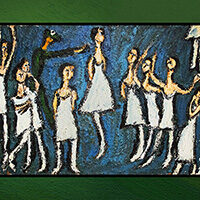
Focus on Painting
Through painting, artists have a blank canvas to experiment with form and technique and to capture an array of subjects and emotions. In Focus on Painting, explore the breadth of paintings within the University’s collections where you will find perennial favorites alongside artwork that hasn’t been on display in years.
Dates:
February 7, 2023 - May 13, 2023
Location:
Old College Gallery
Categories:
Paintings
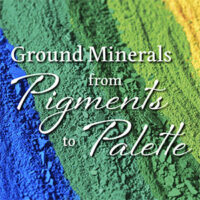
Ground Minerals from Pigments to Palette
Throughout history, minerals have been used as vibrantly colored pigments to make paint. View an array of pigment minerals used by artists throughout time in Ground Minerals from Pigments to Palette.
Dates:
February 7, 2023 - May 13, 2023
Location:
Mineralogical Museum
Categories:
Minerals
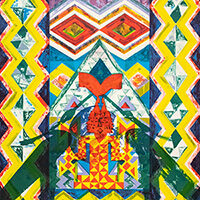
Seeing Textiles in Painting, Printing, and Papermaking, 1960-Today
Every day, people engage with textiles in the woven materials of clothing, the pieced fabric of quilts and the hand stitching of embroidery. Seeing Textiles in Painting, Printing, and Papermaking, 1960-Today explores how modern and contemporary artists take inspiration from textiles.
Dates:
February 7, 2023 - May 13, 2023
Location:
Mechanical Hall Gallery
Categories:
Drawings, Paintings, Prints
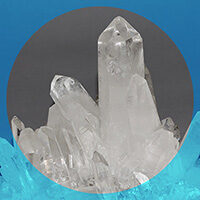
What's New? Recent Additions to the Mineral Collection
At the University of Delaware, the mineral collection is constantly expanding through careful and deliberate purchases and the generosity of donors. In What’s New? Recent Additions to the Mineral Collection, visitors will explore newly acquired mineral specimens while learning about gem minerals and important mineral discoveries.
Dates:
February 7, 2023 - May 13, 2023
Location:
Mineralogical Museum
Categories:
Minerals
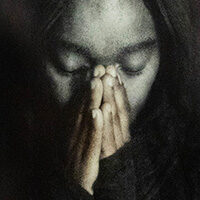
Sacred Convergence in African American Art
Dates:
September 6, 2022 - December 9, 2022
Location:
Mechanical Hall Gallery
Categories:
Sculpture and installations, Prints
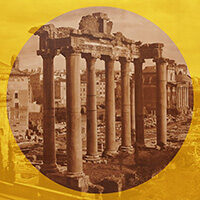
What's New?: Recent Additions to the Art Collections
Dates:
September 6, 2022 - December 9, 2022
Location:
Old College Gallery
Categories:
Drawings, Paintings, Photographs, Prints

Women in Pictorialist Photography
Photography is a significant strength in the Museums Collections, and Pictorialist photography forms an extensive sub-category. The Museums hold many examples of photographs by both the leading and the lesser-known Pictorialists, as well as a substantial group of Camera Work journals.
Notably, from the earliest days of the movement, which had its heyday in the late-nineteenth and early-twentieth centuries, a significant number of female photographers were prominent in Pictorialism. This online exhibition explores select works by Gertrude Käsebier, Eva Watson-Schütze, Alice Boughton, and others from over a century ago, as well as more recent examples by contemporary photographer Diane Levell, who perpetuates many of the goals, techniques, and traditions of Pictorialism.
Created:
April 29, 2022
Location:
Online Only
Categories:
Photographs
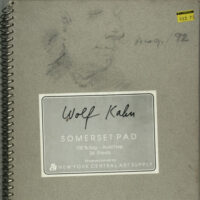
Personal Pages to Public Spaces
Featuring a range of drawings and completed artworks from several artists in the Museums collection, this exhibition will explore various dimensions of the sketch and the bodily process of sketching. Sketches operate as extensions of the mind, as tools that facilitate seeing and remembering, and as a bodily way of acquiring knowledge through observation and repetition. For preparation or for the joy of the act, sketches traverse the private and public, dynamic in their own right.
It is part of a series of online exhibitions highlighting materials from the Museums. Organized by theme or medium, these focused exhibitions provide a bite-sized introduction to the collections.
Created:
March 3, 2022
Location:
Online Only
Categories:
Drawings
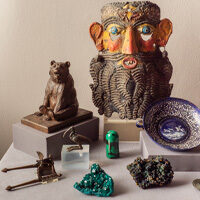
Art, Artifacts and Specimens from the Collectors Cabinet
Originally, collectors cabinets were rooms full of various works of art, natural history objects, and antiquities first organized during the Italian Renaissance. Ole Worm, a Danish physician and professor at the University of Copenhagen, assembled the one shown here during the early 1600s. Some cabinets demonstrated the power and wealth of the owner, challenging the viewer to think about the connections among what might today seem to be randomly-arranged objects. Cabinets became a popular way to display objects from travels or items of personal interest. Collectors evolved into curators, classifying and interpreting the wide-ranging collections. In the same fashion, the series of cabinets or rooms of objects were the genesis of today’s museums. This exhibition reflects the legacy of collectors, donors, and curators who had an affinity for or relationship with the University of Delaware.
Dates:
February 8, 2022 - May 14, 2022
Location:
Old College Gallery
Categories:
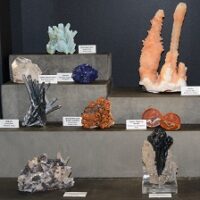
Chinese Minerals
This exhibition features mineral specimens recently mined in China. Chinese minerals were not available on the market until the 1990s and were limited to a few species. With ongoing industrialization and modern mining techniques, more minerals are being discovered, valued and preserved. The variety and quality of the specimens are remarkable and they are now prominent in private and institutional collections. Specimens are on loan from the collection of James Zigras.
Dates:
February 8, 2022 - May 14, 2022
Location:
Mineralogical Museum
Categories:
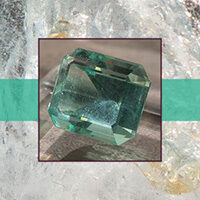
Faces and Facets - Crystals to Gemstones
There are approximately 5,700 known minerals, and only about 75 are considered gemstones—attractive minerals known for their color. The exhibition Faces and Facets – Crystals to Gemstones explores the world of gemstones and the minerals from which they derive.
Dates:
February 8, 2022 - May 14, 2022
Location:
Mineralogical Museum
Categories:
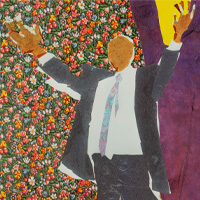
Gathered Together: Black Artists and the Collage Aesthetic
The medium of collage offers artists an inventive means of constructing a work of art, often incorporating everyday materials and found objects, such as newspapers, photographs and fabric. Gathered Together: Black Artists and the Collage Aesthetic explores the practice and visual strategies of collage, highlighting the University’s collection of African American art.
Dates:
February 8, 2022 - May 14, 2022
Location:
Mechanical Hall Gallery
Categories:
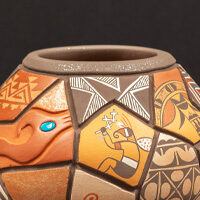
Grounded Innovation: Pueblo Arts of Clay
In the Pueblo nations of Arizona and New Mexico, pottery is an ever-changing art form. Visit Grounded Innovation: Pueblo Arts of Clay to learn how contemporary Pueblo artists innovate to strengthen bonds with their ancestors and homelands, rather than breaking them.
Dates:
February 8, 2022 - May 14, 2022
Location:
Old College Gallery
Categories:
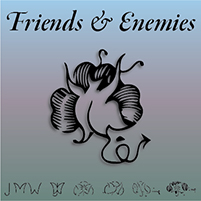
Friends & Enemies: Whistler and his Artistic, Literary, and Social Circles
James McNeill Whistler (1834-1903), the expatriate American artist, had a formidable presence. He was known for his consummate skill as a painter and printmaker, for his radical art theories, for his wit—and for his combative persona that repeatedly led his friendships to devolve into feuds. Whistler’s forceful personality was at odds with the delicacy of his art. His iconic signature of a graceful butterfly with a barbed stinger embodies this contradiction.
Dates:
September 7, 2021 - December 10, 2021
Location:
Old College Gallery
Categories:
Books (literary and historical), Drawings, Ephemera and realia, Literary and historical manuscripts, Paintings, Periodicals, Personal and family papers, Photographs, Prints
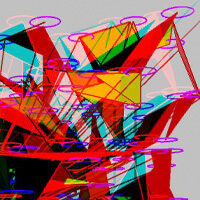
Here / Now: Art and Design Faculty Exhibition
Here / Now: Art & Design Faculty Exhibition celebrates recent creative work by Art and Design faculty members. The exhibition includes traditional and new media, ranging from drawing and sculpture to video and installation art, as well as illustration and applied design for assistive devices. Exhibited works range from reflections on the isolation caused by COVID-19 to a collaborative exploration of the concept of nautical twilight. Here / Now offers an exciting opportunity to discover the innovative and thought-provoking art and design work produced by faculty at University of Delaware.
Dates:
September 7, 2021 - December 10, 2021
Location:
Mechanical Hall Gallery
Categories:
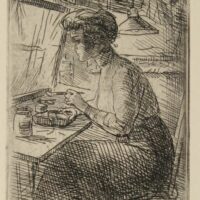
Printmaking Techniques - Etching
This exhibition brings together a range of artworks from the Museums collections made using etching and related printmaking techniques. Including examples from the sixteenth century to today, this online feature provides an introduction to the etching process and the myriad ways in which artists have embraced the medium to create original works of art.
It is part of a series of online exhibitions highlighting materials from the Museums. Organized by theme or medium, these focused exhibitions provide a bite-sized introduction to the collections.
Created:
February 15, 2021
Location:
Online Only
Categories:
Prints

Art and Civil Rights
Drawn from the Museums’ African American art collection, this exhibition brings together a range of artworks that relate to the Civil Rights Movement in the United States.
It is the first in a series of online exhibitions highlighting materials from Museums Collections. Organized by theme or medium, these focused exhibitions provide a bite-sized introduction to the collections.
Created:
September 1, 2020
Location:
Online Only
Categories:
Photographs, Sculpture and installations, Drawings

Black with a Drop of Red: Contemporary Cuban Posters
In contemporary Cuba, posters are a major part of visual culture. Following the 1959 Revolution, the newly formed government created the Instituto Cubano del Arte e Industria Cinematográficos (Cuban Institute of Cinematic Art and Industry or ICAIC). The first cultural institution conceived by the new government, ICAIC screened both Cuban and international films for the benefit of all Cubans. As a result of the cultural policy adopted by ICAIC, poster designers were able to experiment with visual vocabulary in order to articulate a complex visual language. The Cuban government’s initiatives made the country a recognized center for both cinema and poster design.
Dates:
February 9, 2020 - May 15, 2020
Location:
Mechanical Hall Gallery
Categories:
Posters and broadsides
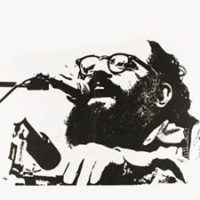
Beat Visions and the Counterculture
Beat Visions and the Counterculture explores the ideas and imagery of the Beat Generation and its influence on 1960s counterculture and beyond. Starting in the late 1940s and early 1950s, the Beat movement prized authenticity, spontaneity, spirituality, and, above all, experience. Although not overtly political, the Beats challenged social norms and consistently provoked authority, pushing boundaries in both their lives and their art.
Dates:
February 8, 2020 - May 15, 2020
Location:
Old College Gallery
Categories:
Books (literary and historical), Drawings, Paintings, Prints, Posters and broadsides, Periodicals, Ephemera and realia
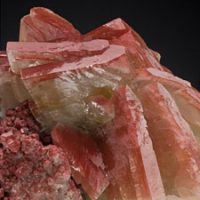
Mineral Discoveries, Old Finds and New Mines
Most minerals are millions of years old, and the discovery of minerals by early man goes back thousands of years. Although minerals were collected in Europe as aesthetic objects in the 1500s, they were often part of a larger natural history collection of plants, fossils and animal curiosities. Early mining of precious metals in Germany provided a source of beautiful specimens and Europeans from a wide range of backgrounds became mineral collectors.
Dates:
September 3, 2019 - May 15, 2020
Location:
Mineralogical Museum
Categories:
Minerals
The Art of Elizabeth Catlett - From the Collection of Samella Lewis
Elizabeth Catlett (1915-2012) is widely considered one of the most important African American artists of the 20th century. She enjoyed a prolific career spanning more than seven decades. Her politically charged works blend art and social consciousness, confronting disturbing injustices.
The exhibition comes from the collection of Dr. Samella Lewis (b. 1924), an artist, collector, historian and author who was Catlett’s lifelong friend. In addition to celebrating Catlett’s art, the exhibition includes examples of work by Catlett’s husband, Mexican artist Francisco “Pancho” Mora (1922 – 2002) and by Samella Lewis.
Dates:
September 3, 2019 - December 6, 2019
Location:
Mechanical Hall Gallery
Categories:
Prints
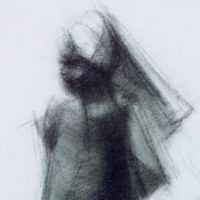
Collecting as Activism: African American Art and the Legacy of Paul R. Jones
In 2001, the University of Delaware received a large gift of paintings, works on paper, photographs and sculpture from collector and philanthropist Paul R. Jones (1928 – 2010). Highlighting the social consciousness that characterized Jones’ collecting practice, this exhibition fosters a critical dialogue about the representation of African American artists in museums, and the legacy of individuals who fought marginalization through the collecting of art.
Dates:
February 13, 2019 - May 17, 2019
Location:
Mechanical Hall Gallery
Categories:
Paintings
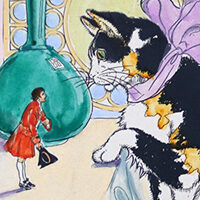
Drawing Connections: Illustration and the Written Word
Through spectacular examples of books, paintings, drawings and prints, this exhibition explores the interaction of word and image across a range of genres and time—from the 16th century to present day. Categories considered throughout the galleries include: classic, ancient and modern literature; religious stories; scientific and botanical literature; and fairy tales and children’s literature.
Dates:
February 13, 2019 - May 17, 2019
Location:
Old College Gallery
Categories:
Drawings, Paintings, Artists’ books, Books (literary and historical)
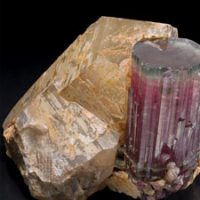
The Last Collection of the First Gemologist, George F. Kunz
This continuing exhibition features mineral specimens and objects collected by George F. Kunz and purchased by Irénée du Pont prior to 1930. Kunz assembled some dozen collections, many of which were on display at various world fairs in the 19th century. They were then acquired by individuals who subsequently donated them to museums that today house some of the finest mineral collections in the United States.
Dates:
February 13, 2019 - May 17, 2019
Location:
Mineralogical Museum
Categories:
Minerals
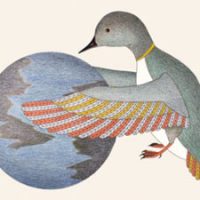
"The World is Following its People": Indigenous Art and Arctic Ecology
In recent years, the Arctic has occupied a central place in the urgent discussions surrounding climate change. However, the Indigenous peoples of the region have long understood the need to respect an interconnected environment; they recognize that the land, ocean and atmosphere respond to human behavior. The prints, drawings, stone sculptures, woven baskets, bone carvings and handmade dolls on display in this exhibition demonstrate these values and beliefs. Inuit artists of northern Canada and Yup’ik artists of Alaska created the materials on view during the late 20th century.
Dates:
September 5, 2018 - December 7, 2018
Location:
Old College Gallery
Categories:
Prints, Drawings, Photographs
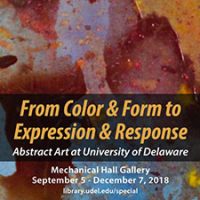
From Color & Form to Expression & Response: Abstract Art at University of Delaware
Since the early 20th century, abstract art has prompted audiences to consider how the materials, shapes and subjects found within an artwork form the viewer’s response to it. Abstract art provides a two-way encounter between the artist and the viewer; the meaning is a combination of the artist’s process and the viewer’s reaction to it. Through this exhibition, explore how abstract paintings, drawings and sculptures can engage viewers and garner reactions ranging from visceral and emotional to conceptual and intellectual through the power of color, shape, material and line.
Dates:
September 5, 2018 - December 7, 2018
Location:
Mechanical Hall Gallery
Categories:
Paintings, Drawings, Sculpture and installations
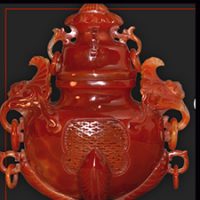
Contemporary Chinese Carvings: Classic Concepts
On view are 20th-century Chinese carvings of agate, a variety of quartz, which show forms that date back thousands of years. The fine carving of this hard material was made possible by the modern development of high-speed diamond tools. In addition to this single-case exhibition, the Permanent Collection remains on display. It highlights minerals from the founding du Pont Collection, regional materials from Pennsylvania, worldwide specimens and thematic displays of crystallography, growth phenomena, and cave minerals.
Dates:
February 7, 2018 - May 11, 2018
Location:
Mineralogical Museum
Categories:
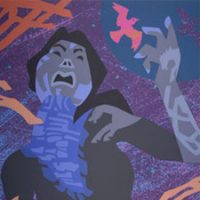
Problem Solving: Highlights from the Experimental Printmaking Institute
“Experimentation in the printmaking studio has a lot to do with problem solving,” Curlee Raven Holton, founder and emeritus director of the Experimental Printmaking Institute (EPI) at Lafayette College, explained in a 2014 interview. This exhibition celebrates a gift of prints from the EPI that Holton presented to the University of Delaware. To showcase the EPI’s role as a leading center for innovative experiments in printmaking across a variety of media and techniques, the exhibition puts selections from the EPI gift in conversation with significant works from the University’s extensive permanent collection of African American art.
Dates:
February 7, 2018 - May 11, 2018
Location:
Mechanical Hall Gallery
Categories:
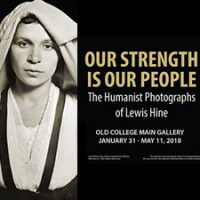
Our Strength is Our People: The Humanist Photographs of Lewis Hine
Lewis Hine is the father of documentary photography. Often alongside social workers, attorneys and progressive committees working toward reform, Hine used his camera as a tool for social justice. This exhibition showcases his iconic photographs centered around themes of immigration, child labor and the American worker. The rare vintage gelatin silver prints on view attempt to create empathy for the immigrant experience, expose and fight abusive child labor practices, and highlight the dignity of the American worker. The exhibition is organized by art2art Circulating Exhibitions, LLC. All works are from the private collection of Michael Mattis and Judith Hochberg.
Dates:
January 31, 2018 - May 11, 2018
Location:
Old College Gallery
Categories:
Responding to What is Alive Before You: The Photography of Levinstein and Fink: The Photography of Levinstein and Fink
As a complement to the Lewis Hine exhibition, the works of two social photographers inspired by Hine–Leon Levinstein and Larry Fink–will be on view, demonstrating the ways in which different lenses can be applied to the same genre. Through variances in composition and fundamentals of photography, the selections explore how tools of observation are filtered through artists’ individual perspectives and personalities. All of the photographs in the exhibition were donated by UD alumna Tami Morachnick, class of 1980, and her husband, Mark Greenberg.
Dates:
January 31, 2018 - May 11, 2018
Location:
Old College Gallery
Categories:
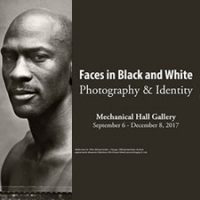
Faces in Black and White: Photography and Identity
Bringing together black and white photographs from across the University of Delaware’s collections, this exhibition focuses on the face as a site of history, struggle, drama, and inspiration. With subjects ranging from freed slaves to modern-day artists, activists, and celebrities, these images combine one medium of expression—photography—with another—the human countenance. The goal is to open conversations among the images, crossing racial, gender, generational, and cultural divides, leaving visitors to ask, how do faces “speak” through photographs?
Dates:
September 6, 2017 - December 8, 2017
Location:
Mechanical Hall Gallery
Categories:

Fashion on All Fronts: Stories from the Wardrobe, 1914-1918
Drawing from the Historic Costume and Textiles Collection in the Department of Fashion and Apparel Studies, Special Collections in Morris Library, and private lenders, this exhibition provides an in-depth look at World War I through the lens of what people wore. During the war years, fashions changed by necessity and by invention. Everyday fashions echoing military styles gained popularity, and some garments, footwear, and accessories created to answer wartime needs remain in vogue today. The exhibition highlights the stories behind the garments, focusing on the personal accounts of the people who wore them.
Dates:
September 6, 2017 - December 8, 2017
Location:
Old College Gallery
Categories:
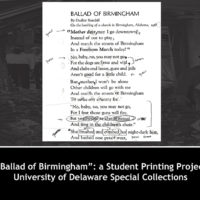
'Ballad of Birmingham': A Student Printing Project
During the Spring 2016 semester students in Professor Martha Carothers’ class Typography II created a broadside inspired by the one with which poet/publisher Dudley Randall launched Broadside Press, a major publisher of African American poets during the nineteen sixties and seventies.
Broadside Press’s inaugural offering featured Randall’s poem “Ballad of Birmingham,” written soon after the 1963 bombing of an African American church in Birmingham, Alabama. That act of racial terror left four young girls dead. Dudley’s moving poem evokes the events leading up to the girls’ death.
Dates:
July 1, 2016 - October 11, 2016
Location:
Single Case Exhibition
Categories: